
Intravenous fluid therapy emerged in 1831 and developed rapidly due to its advantages of direct administration, rapid onset, and complete absorption, making it a commonly used drug treatment method in medical institutions at all levels. At present, the situation of adding drugs to intravenous infusions in China can reach 60%-70%, with an average annual clinical infusion volume of more than 10 billion bags. With such a huge demand for intravenous medication, the compounding work of medical institutions is under enormous pressure. However, manual compounding of intravenous drugs still has many problems, including occupational exposure hazards and injuries, risks of drug solution contamination, air and environmental pollution, and susceptibility to errors.
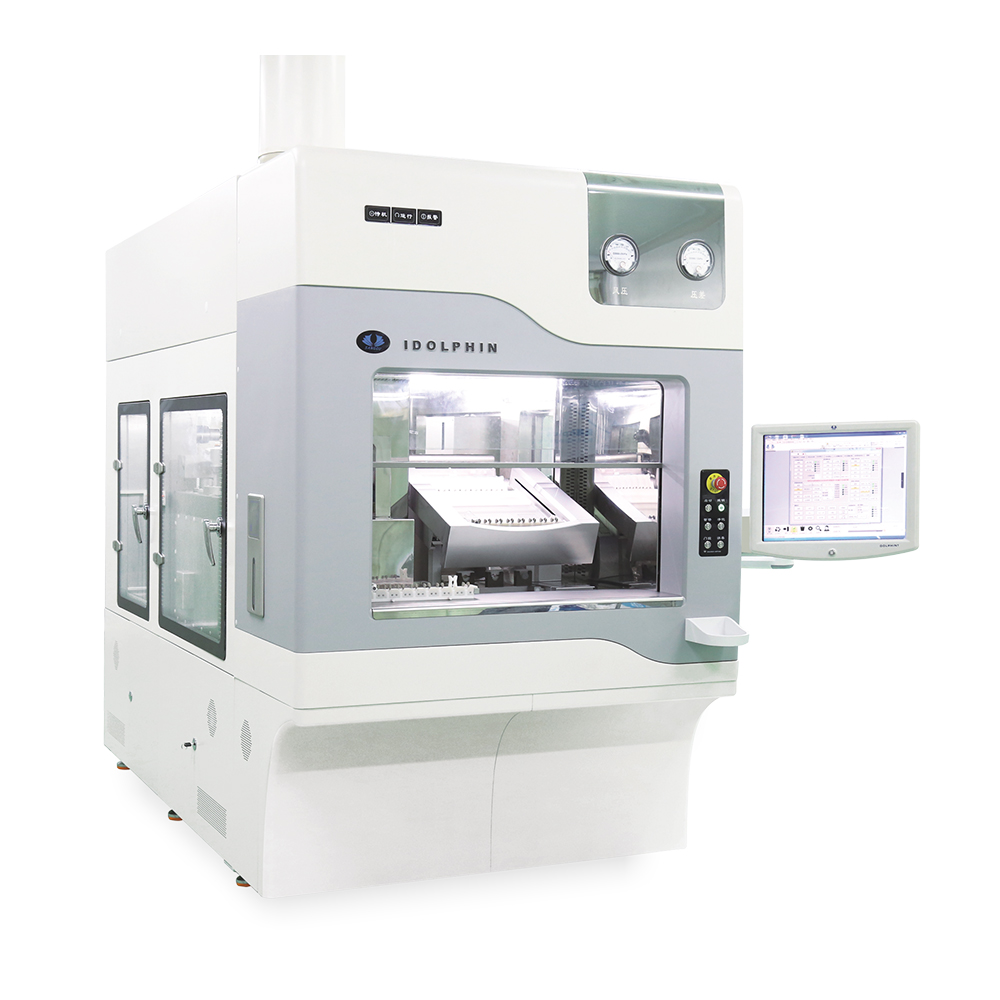
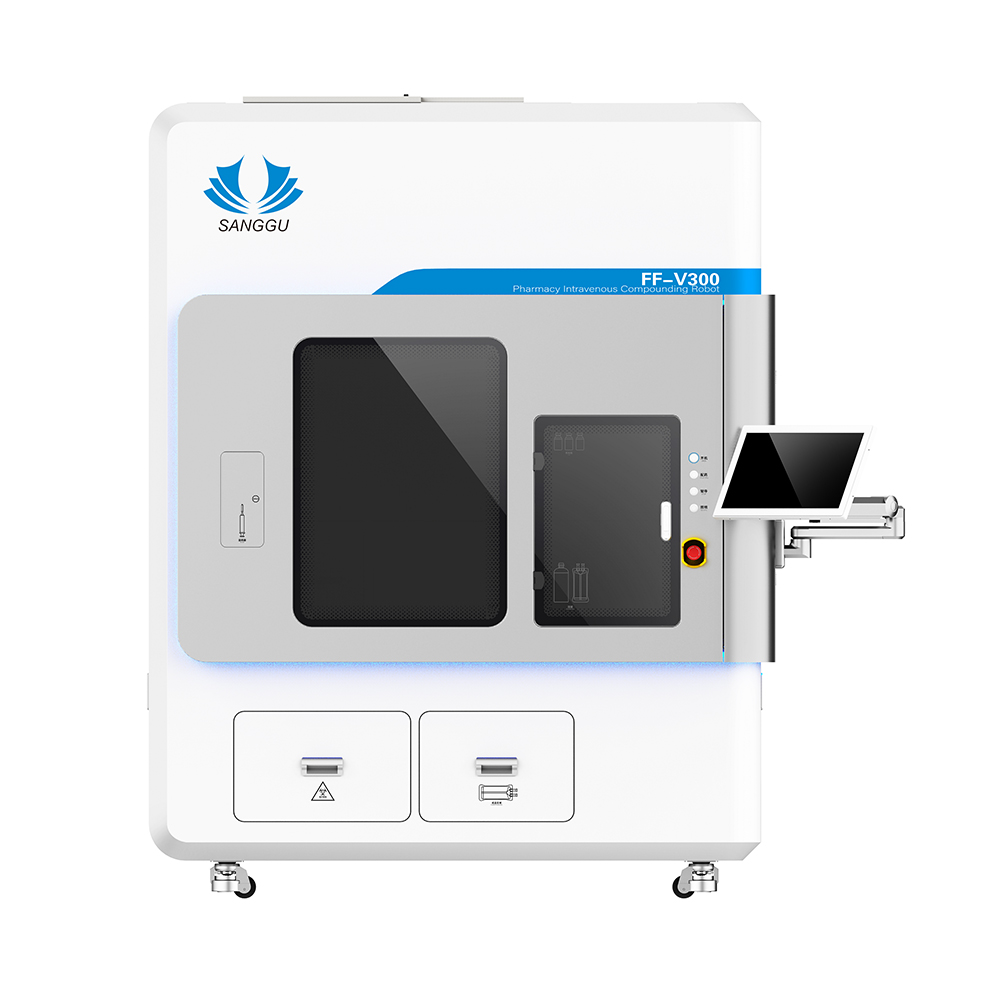
The emergence of intravenous drug compounding robots represents a disruptive, epoch-making new stage in the technical level and operating mode of intravenous drug compounding. Intravenous drug compounding robots can extract and mix several intravenous drugs required by patients according to medical requirements, intelligently determine the rationality of medication, and complete operations such as UV disinfection inside the chamber, drug vial neck and mouth disinfection, ampoule cutting, vial dilution, quantitative aspiration, vibration shaking for uniformity, and automatic classified disposal of medical waste. The entire drug compounding process is carried out in a Class 100 purified environment. At the same time, it provides quality and safety assurance for the compounded drug solution, and the drug compounding operation fully achieves complete isolation between personnel and drugs, preventing medical staff from being harmed by exposure to hazardous drugs in the compounding environment and from operational injuries. Therefore, drug compounding robots are small in size, simple to operate, and highly reliable, making them particularly suitable for compounding radiotherapy drugs, cytoviral drugs, and antibiotic drugs.