
In the medical robot family, in addition to soft tissue minimally invasive surgical robots represented by the da Vinci robot, types such as orthopedic robots, neurosurgical robots, interventional robots, puncture navigation robots, rehabilitation robots, and auxiliary robots have also attracted much attention.
At present, China's domestic medical robot R&D teams still face problems such as weak industrialization experience and weak engineering capabilities; in the external environment, there are issues such as changes in the procurement model of the medical system, weak domestic precision control and precision processing capabilities, and patent barriers. Moreover, for different types of medical robots, because the problems they solve are different, the problems faced by different medical robots are also different.
The threshold for rehabilitation robots is relatively low, the rehabilitation market demand is clear, and there is the possibility of rapid growth in the short term. The difficulty lies in the high requirements for the product matrix and channels; a fragmented industry cannot meet the needs of the supply chain, and the industry still needs policy to promote its development. The market space for a single rehabilitation robot product is insufficient, requiring a rich product line; moreover, rehabilitation robots have no consumables, and there is currently a lack of a sustainable profit model.
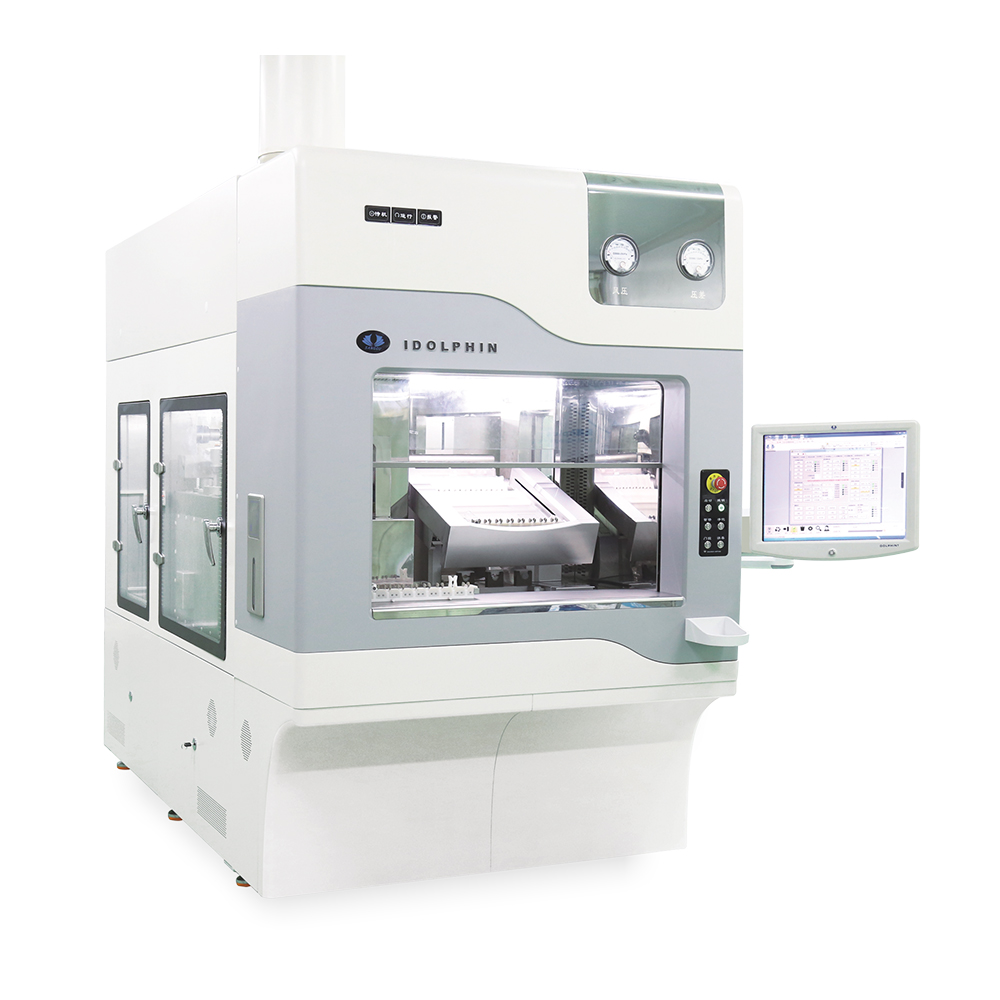
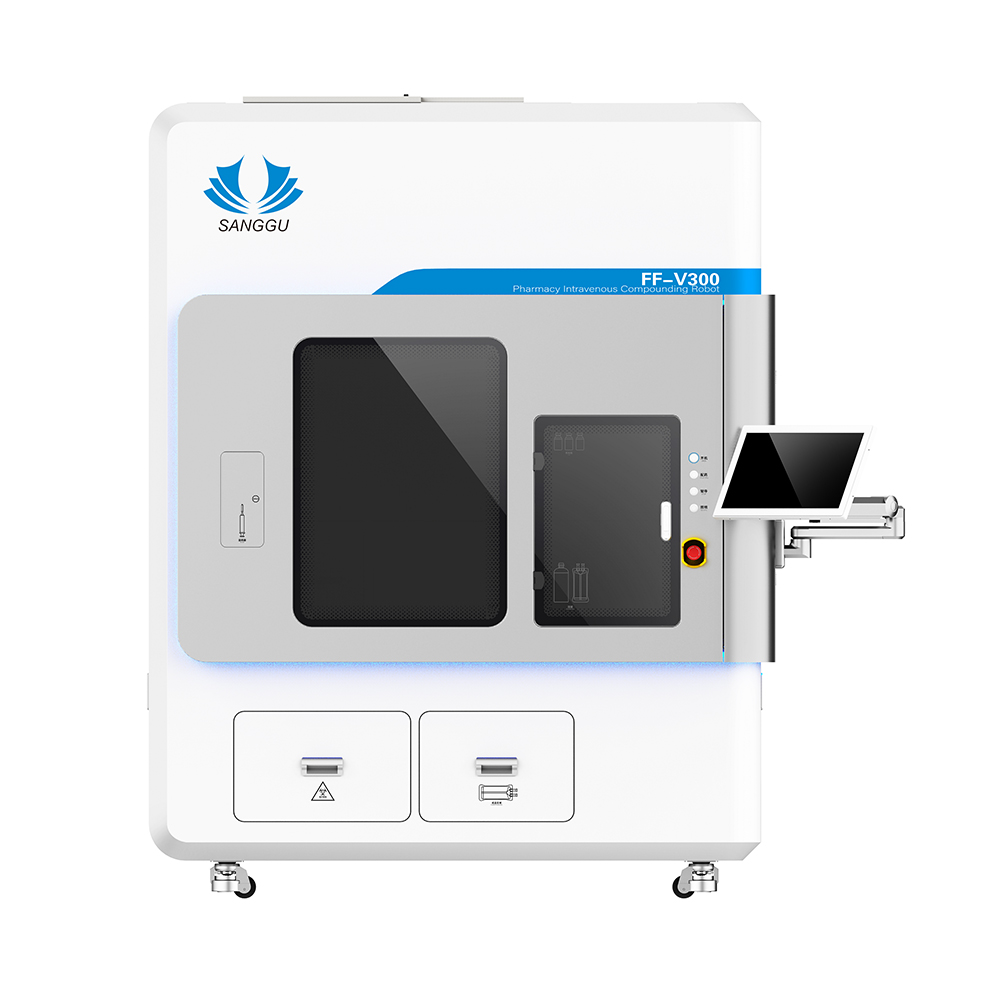
The product directions of auxiliary robots are relatively scattered, mainly including transport robots, drug compounding robots, guidance robots, nursing robots, etc.
Surgical robots occupy the main share of the medical robot market.
For surgical robots, the overall industry market prospect is huge. However, there are currently no enterprises that have formed large-scale revenue, and the industry is still in the early stage of development. Whether it is neurointerventional robots or minimally invasive surgical robots, they are currently expensive and have high requirements for operators.