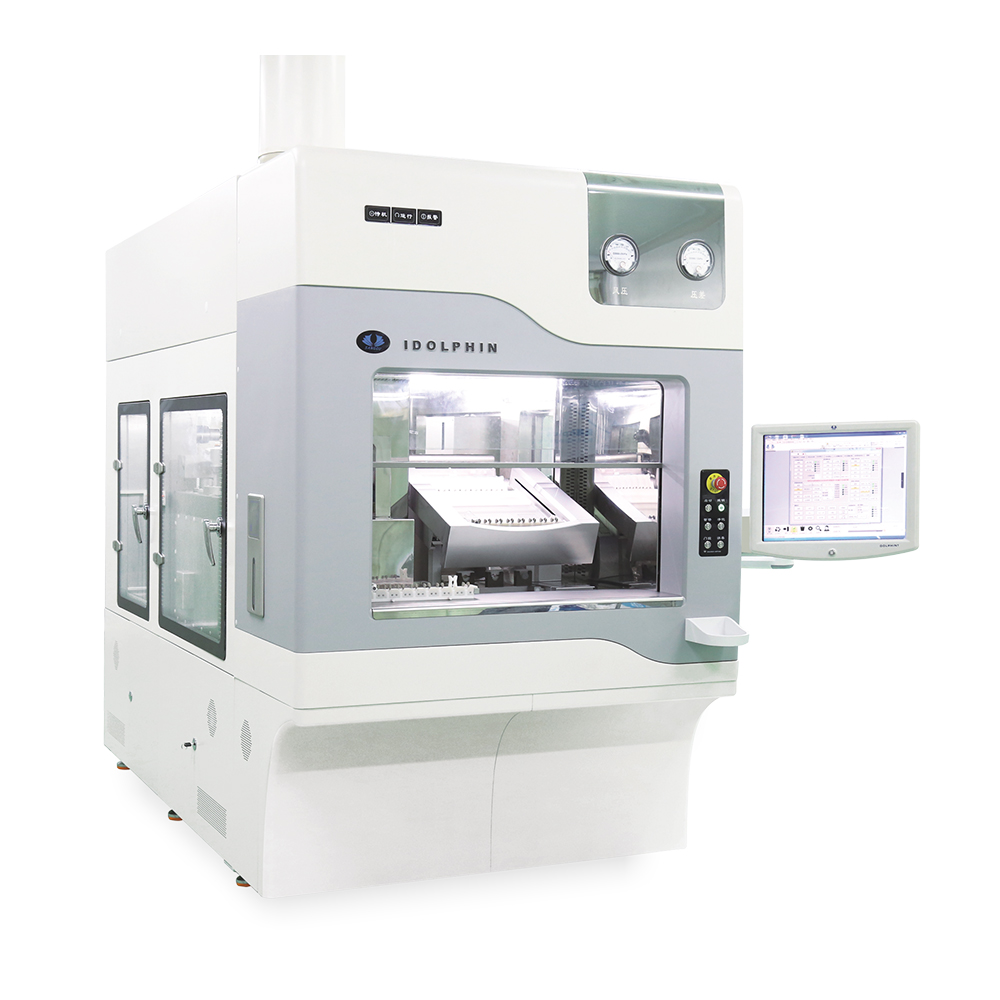
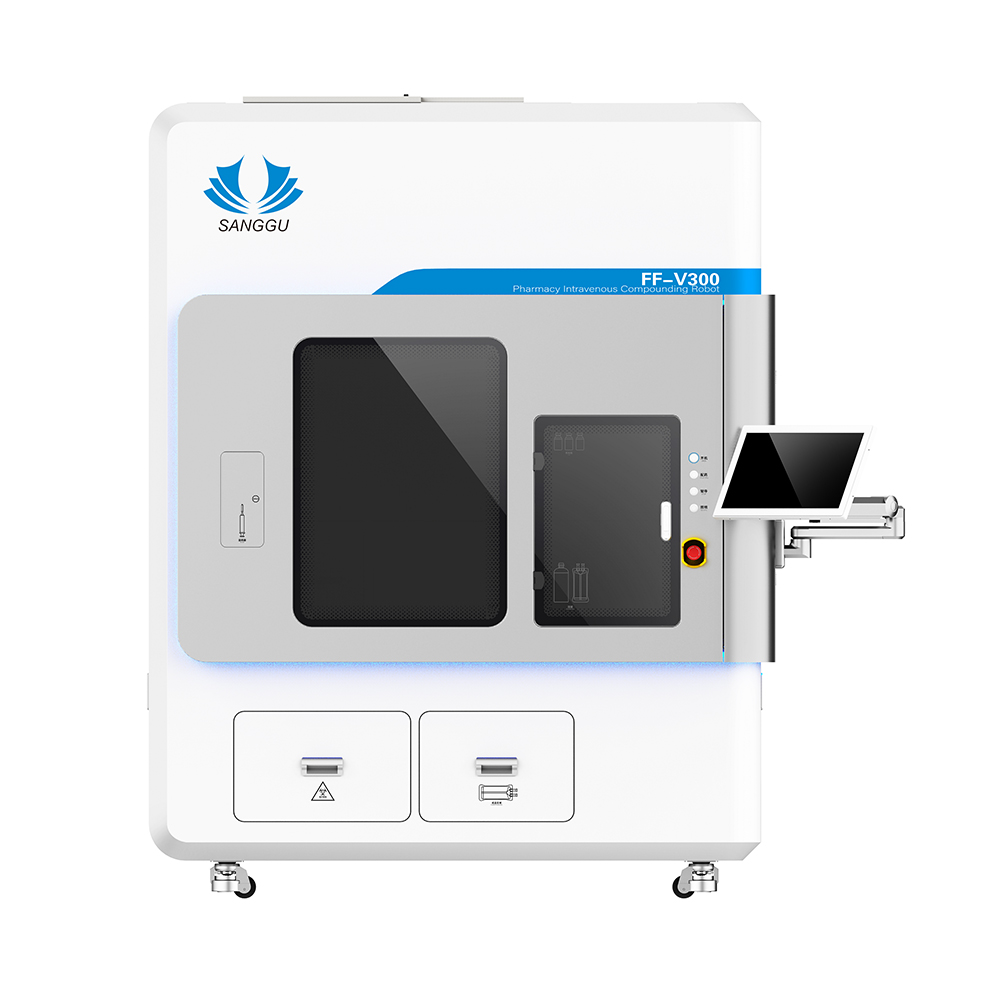

Healthcare is an important aspect of people's livelihood and well-being and has received widespread attention. Medical robots are the progress of artificial intelligence applications in healthcare in the AI era, and they are gradually making a name for themselves and entering the lives of the general public.
European and American countries developed and applied surgical robots relatively early, and they occupy a large part of the global surgical robot market. North America is the world's largest surgical robot market, accounting for 68.0%; followed by Europe, accounting for 16.8%; and Asia, accounting for 10.7%.
China's medical device market is large, and within this 500 billion market, 95% of high-end medical devices rely on imports. Therefore, the development of medical equipment is being increasingly emphasized, and the intelligentization of equipment has become an important trend in the development of the entire healthcare industry, with many emerging technologies being applied to equipment. In the future, medical equipment will become increasingly systematized and more intelligent, and doctors' diagnoses will also become increasingly precise. Medical robots will become an important component of intelligent healthcare.
With the current aging of society and environmental degradation, the incidence rates of various chronic diseases and malignant tumors are also gradually rising, and the demand for medical devices has increased significantly. The next 15 years will be a key period of growth for medical robots, and China will become the world's largest market. In addition, specialized single-port surgical robots, which have low requirements for surgical space, cause less trauma, and enable faster postoperative recovery, are considered the development trend of the next generation of surgical robots in the medical robot industry.
With the development and progress of robot technology, the development and application fields of artificial intelligence technology and AI are gradually expanding. Currently, China's surgical robots can already assist in laparoscopic surgery, thoracoscopic surgery, gynecological endoscopic surgery, urological endoscopic surgery, minimally invasive surgery, and others. Compared with robots applied in other fields, the technological gap between China's medical robots and those of developed European and American countries is not very large. Many products are still in the clinical stage, and China's large amount of clinical application data and official industry-university-research cooperation will become advantages for the development of China's medical robot industry at the current stage.