
In recent years, ministries and commissions such as the Ministry of Industry and Information Technology have successively issued a series of policies to promote the development of China's robotics industry. China's robotics industry is currently developing well; in 2016, the output of industrial robots reached 72,400 units, a year-on-year increase of 34.3%. There are more than 800 robot enterprises, and related robot products and services have been widely used in fields such as machinery, electronics, chemicals, light industry, shipbuilding, mining, medical surgery, rehabilitation, catering, consumer goods, firefighting, and public services.
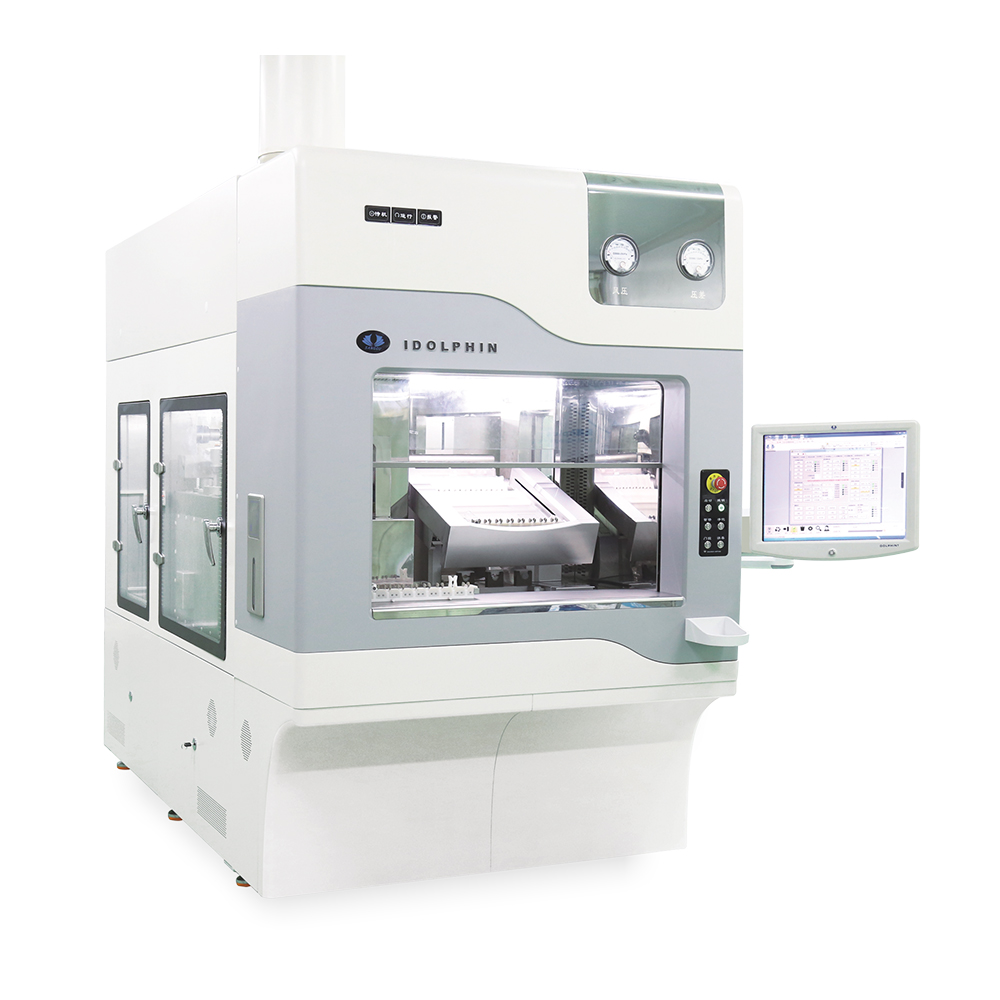
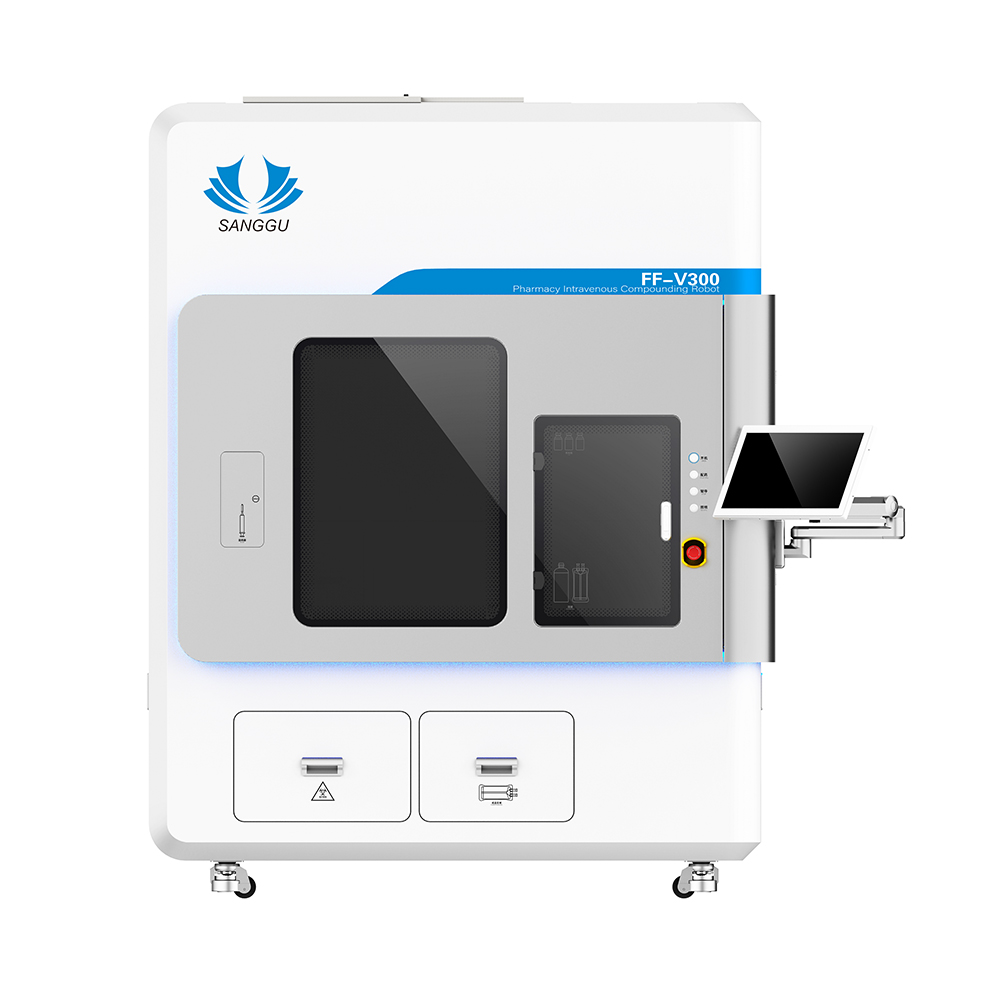
The intelligent drug compounding robot is an intelligent device that combines sensors, controllers, robots, structural modules, and drugs through the Internet via the hospital HIS system, and can identify and compound intravenous drugs of various specifications. It is a medical Internet of Things technology. The application of IoT technology in the intelligent medical device industry in the medical field has already become one of the important industries of the future.
Experts predict that in the future, after the informatization of medical equipment, the growth rate of the medical device industry will reach double digits or more. Currently, China's intelligent medical industry has a relatively low starting point, but its industry development speed is fast, and it is gradually advancing toward the high-end intelligent medical field.
Because manual liquid compounding causes many risks, hospital PIVAS centers need equipment that can replace manual labor and handle vials, ampoules, and base solution containers (glass bottles, plastic bottles, soft bags, stand-up bags, Baxter soft bags) of multiple specifications. It can enhance operational safety and compatibility, reduce manual labor, make liquid compounding precise, efficient, environmentally friendly, and intelligent, and at the same time can effectively reduce doctor-patient disputes to a certain extent.