
According to the classification by the International Federation of Robotics (IFR), medical robots can be divided into four types: surgical robots, rehabilitation robots, auxiliary robots, and service robots. Currently, the most well-developed in industrialization internationally are surgical robots and exoskeleton robots within rehabilitation robots.
Surgical Robots
China's surgical robots, with their relatively high technical threshold, have formed particularly obvious industry-university-research integration characteristics, and the products of leading enterprises in the industry are mostly transformed from university scientific research achievements. Currently, surgical robots are widely used in departments such as orthopedic surgery, neurosurgery, laparoscopic surgery, and vascular interventional therapy. Surgical robots can complete a series of precise operations under limited degrees of freedom. Their precise positioning and accurate operation improve the surgical success rate, achieve minimally invasive surgery, reduce the amount of radiation received by doctors during surgery, and reduce the patient's hospitalization recovery time.
Rehabilitation Robots
Rehabilitation robots belong to the scope of rehabilitation assistance and are used to assist and treat the elderly and disabled populations. Rehabilitation robots can reduce, compensate for, and rebuild human functional impairments through therapies such as physical therapy and exercise, mainly including exoskeleton robots and rehabilitation training robots. Current rehabilitation training robots are multi-functional, multi-degree-of-freedom suspension-type or traction-type robots. At present, the domestic mid-to-high-end market has been monopolized by European and American brands, and local enterprises have a certain share in the mid-to-low-end market. The industry is currently in the introduction period, and the industrial landscape has not yet fully formed.
Service and Auxiliary Robots
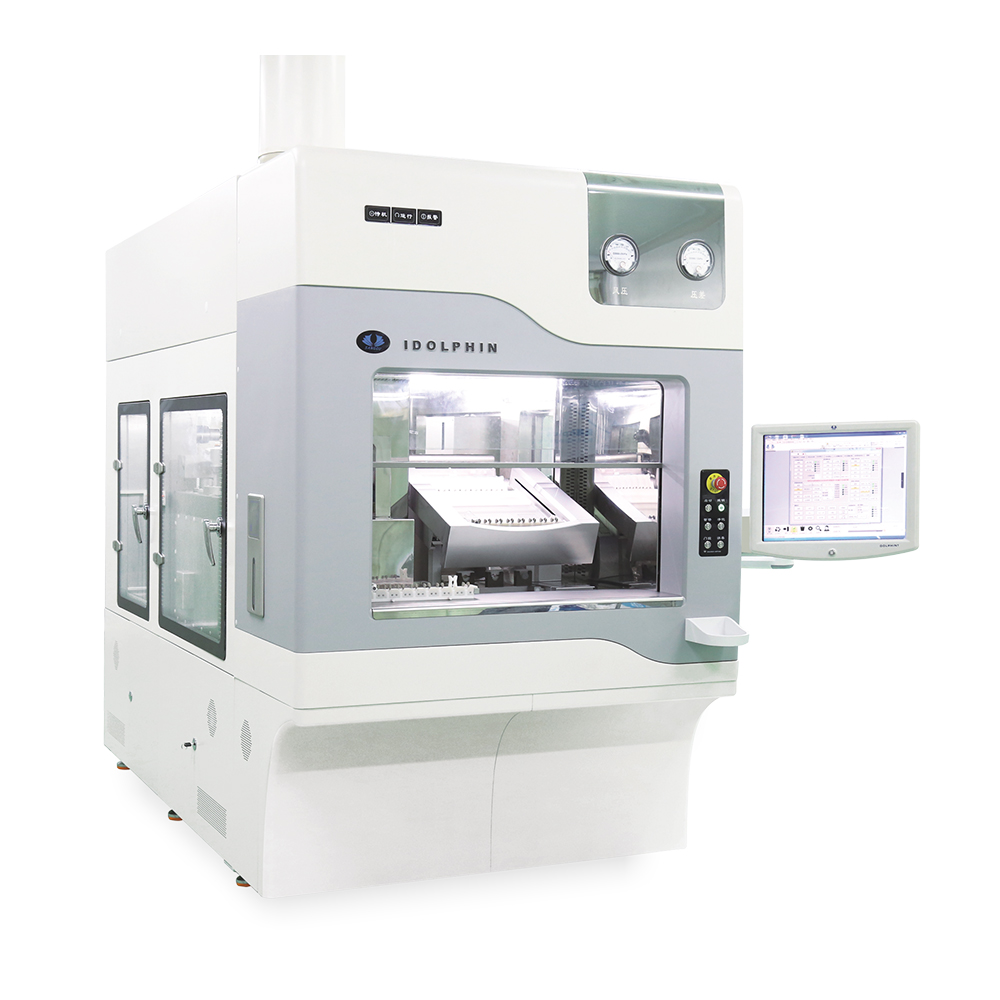
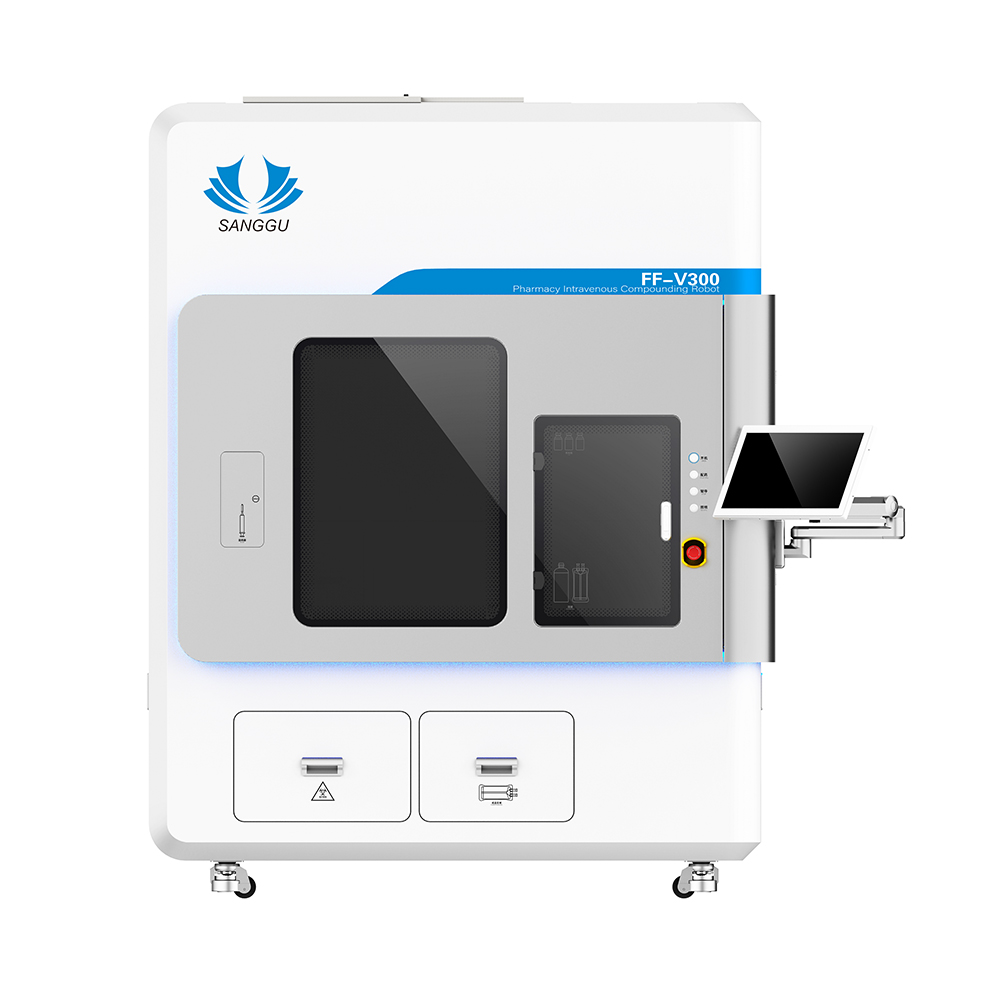
Service robots have a lower technical threshold than surgical and rehabilitation robots, but compared with general robots, they also have higher requirements for precision, strength, and working time. The use of service robots in the medical field mainly includes drug compounding and delivery, patient care, hospital disinfection, and other work; while auxiliary robots are devices that can sense and process sensory information and then provide feedback operations to users, with the main purpose being companionship.