
From May 14 to 17, the "2020 Forbidden City International Pharmacist Congress," jointly initiated by the China Health Promotion Foundation, Zhongguancun Zhuoyi Chronic Disease Prevention and Treatment Technology Innovation Research Institute, the Chinese Pharmaceutical Association, the American Society of Health-System Pharmacists, the Japanese Society of Hospital Pharmacists, the China-Japan Medical Science and Technology Exchange Association, and the Pharmacy Tools Network, was held as scheduled.
With the theme of "Pharmacist Development in a New Era — Standards · Data · Integration · Intelligence," this year's congress covered topics in multiple fields such as intelligent pharmaceutical services, big data, real-world research, pharmacist professional skill improvement, and pharmaceutical science popularization. Experts from relevant domestic and international fields were invited to share the latest achievements and experience, bringing a "cloud-based" academic event to the vast number of pharmaceutical workers through online conference format.
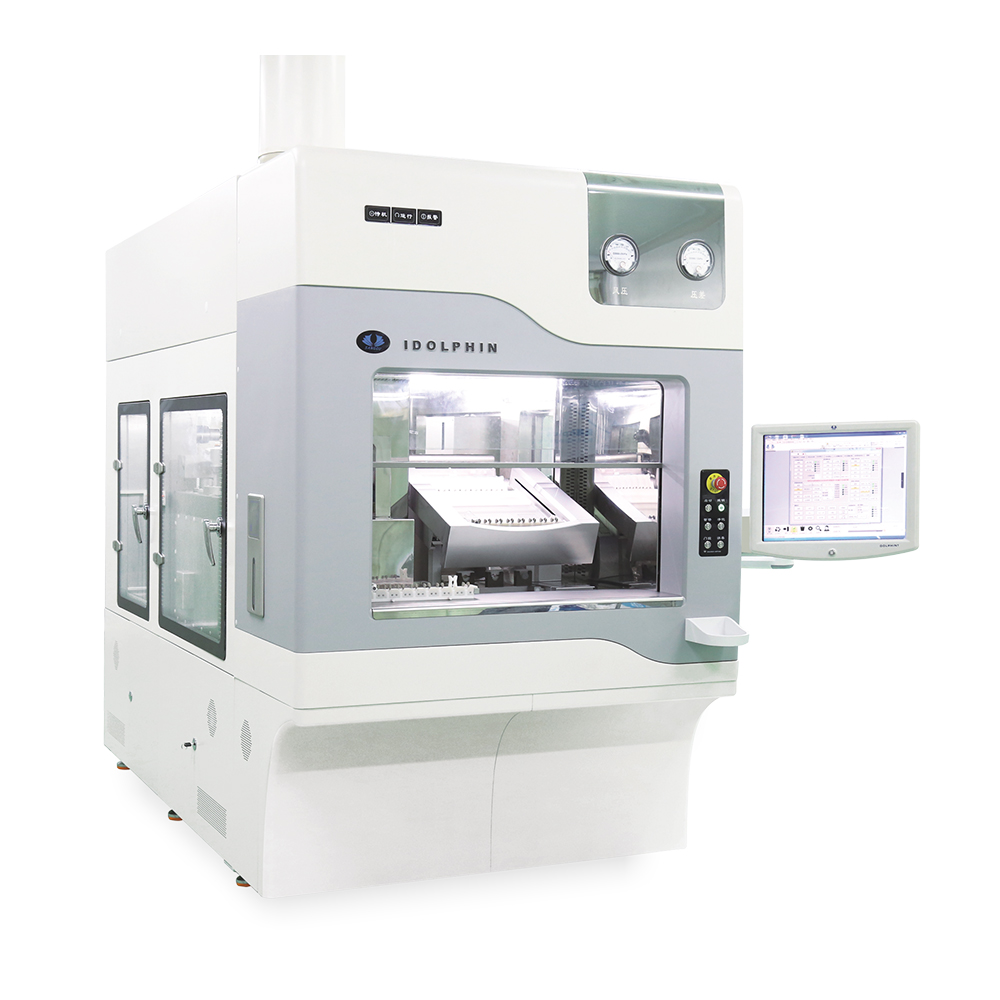
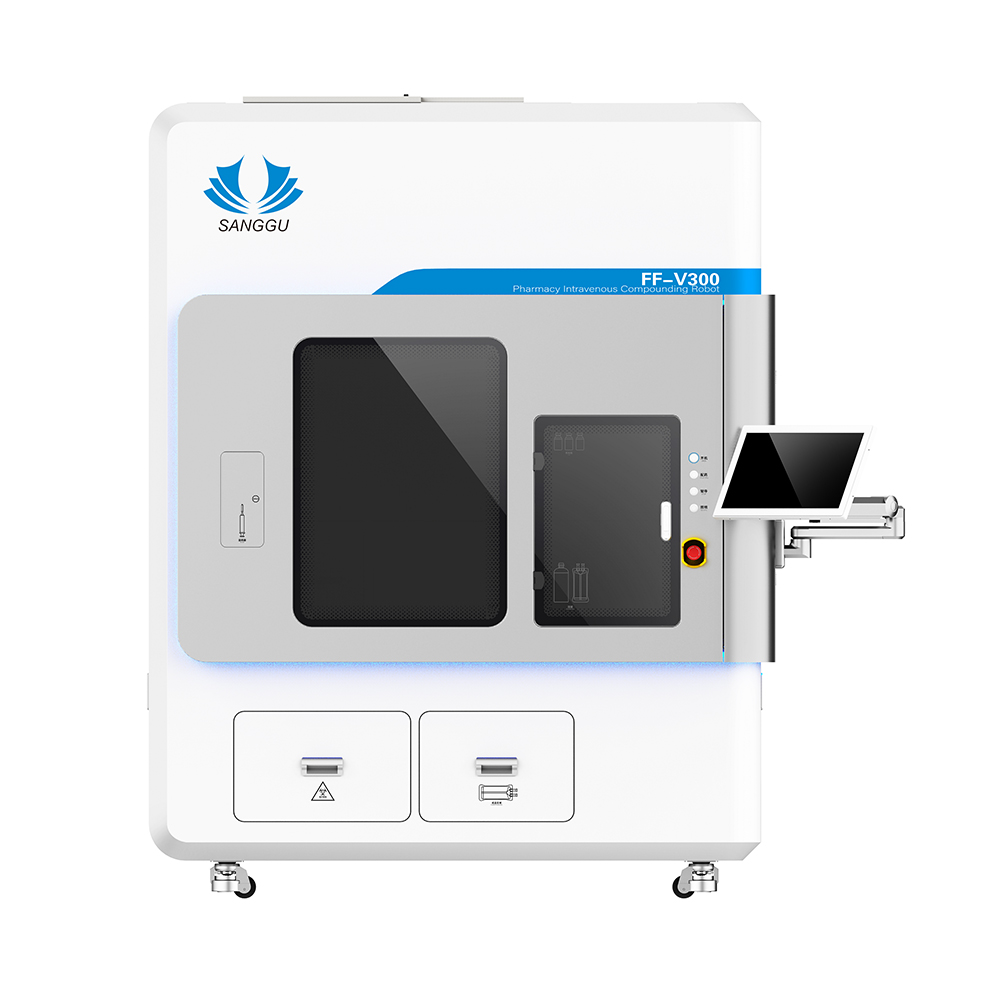
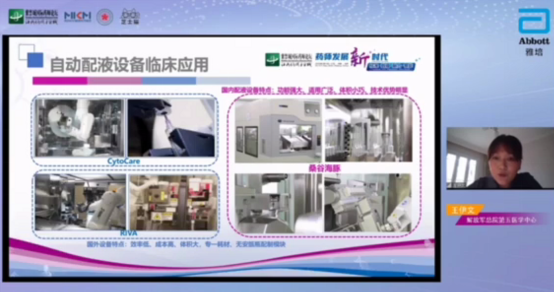
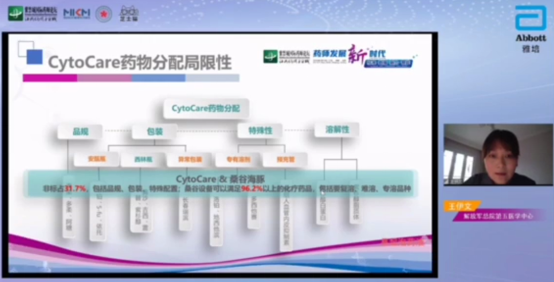
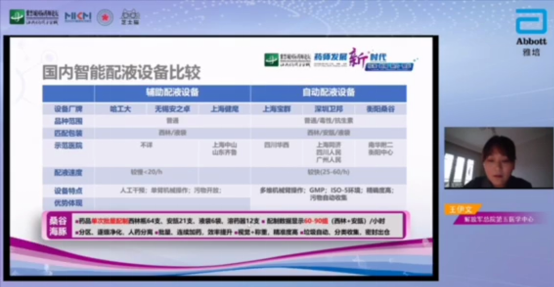
In the "Smart Hospitals and Intelligent Pharmaceutical Services" session, the keynote speaker elaborated on the development history and current status of PIVAS (Pharmacy Intravenous Admixture Services), as well as the positive role played by drug compounding robots in smart pharmacies. Currently, Cytocare used at Hospital 302 is the only foreign automatic liquid compounding robot in use in China, used for compounding hazardous drugs for intravenous use. Its independent fully enclosed sealed chamber has an air treatment device and an independent sterile environment, and it has a continuous liquid compounding process, achieving pollution-free compounded liquids, zero operator exposure, and error-free compounding, eliminating occupational risks such as needle-stick injuries and strain, and achieving a safe working environment. At the same time, it also has shortcomings: large size, low efficiency, high price, dedicated consumables, and no ampoule compounding module. The keynote speaker listed the current status of domestic liquid compounding robots, focused on sharing the characteristics of Sanggu's drug compounding robots, and gave high praise, mainly elaborating on the technical advantages of Sanggu's drug compounding robots in terms of safety, precision, high efficiency, and rationality:
1. A single loading of drugs into the chamber includes 64 vials, 21 ampoules, 6 liquid bags, and 12 drug dissolvers;
2. Compounding data shows 60-90 groups (vials + ampoules)/hour;
3. Zoned, graded purification, separation of personnel and drugs;
4. Batch and continuous drug addition, improving efficiency;
5. Vision + weighing, high precision;
6. Automatic, classified waste collection, sealed chamber exit.
With the continuous improvement of the technological level and the continuous enhancement of computer algorithms, drug compounding robots will surely develop in a more intelligent and efficient direction. Our company will also continue to learn and innovate, so that technology can better serve human healthcare.