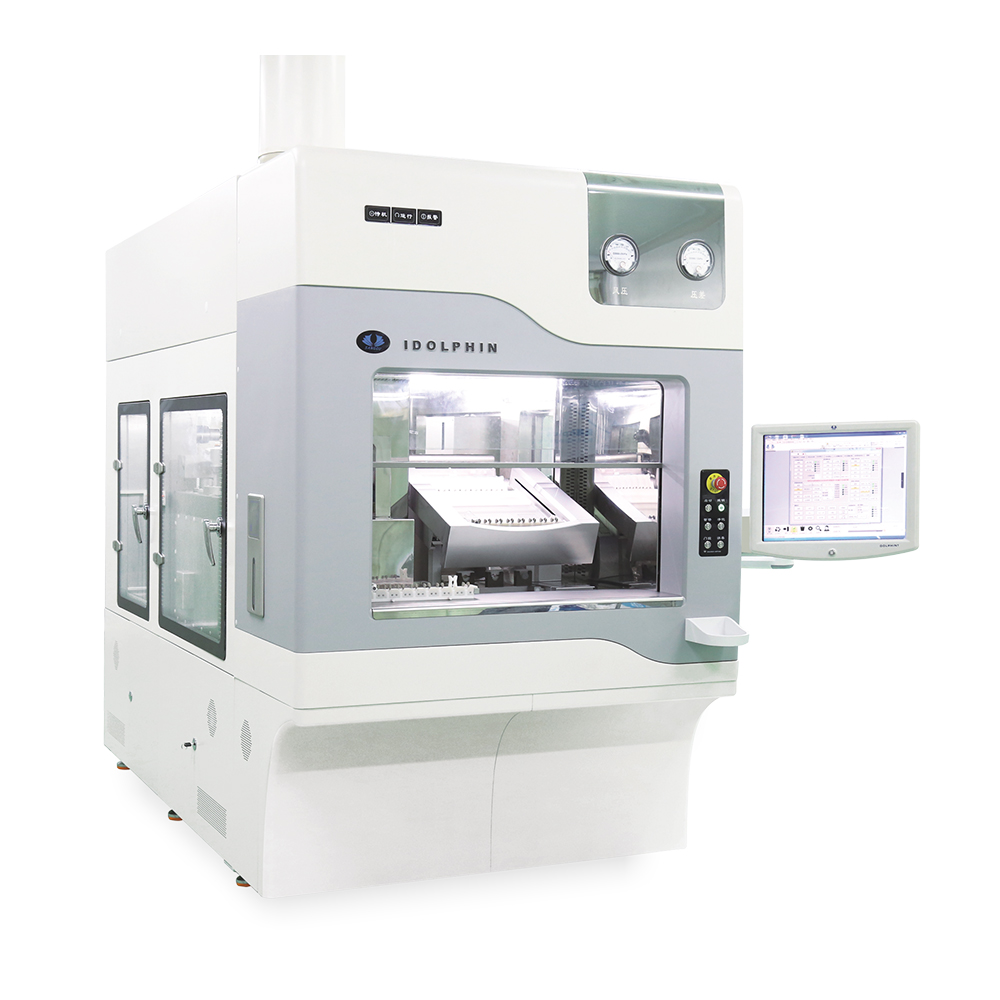
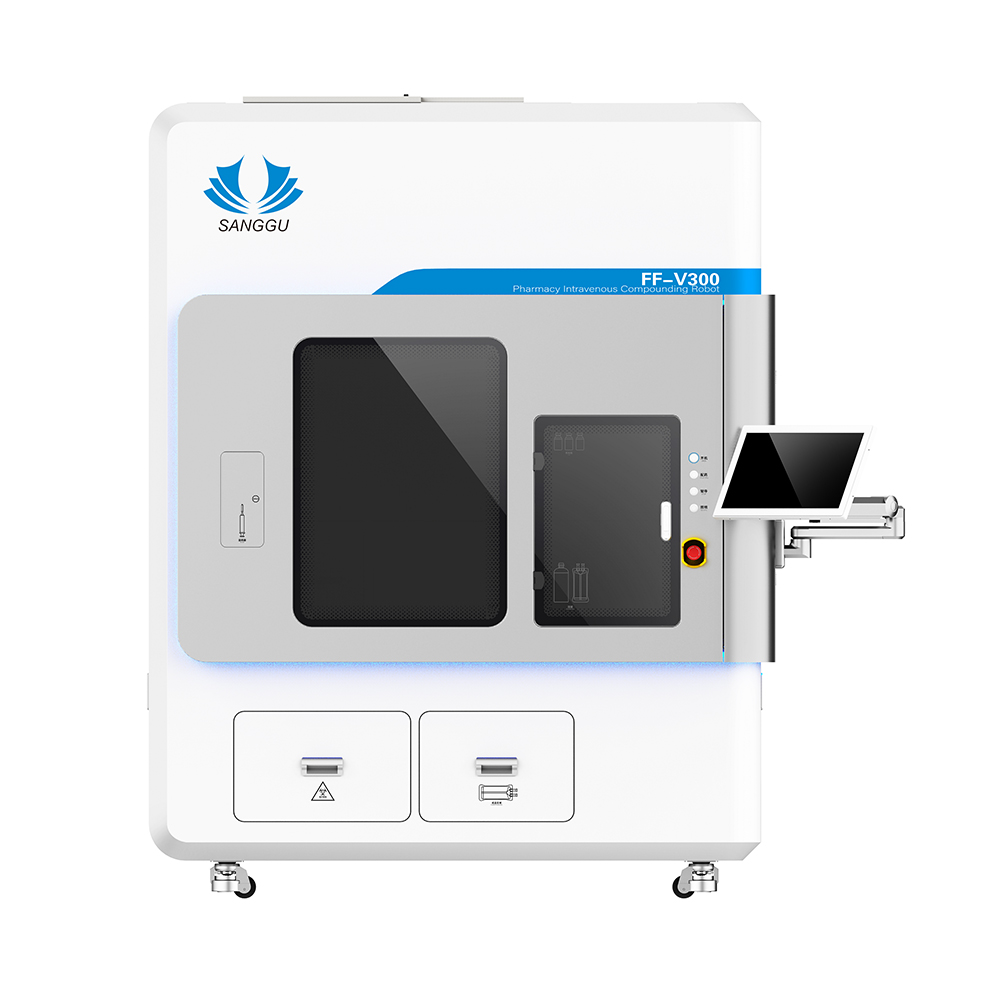

The emergence of drug compounding robots has brought improvements in professionalism, cost efficiency, and user experience by replacing machines. As long as the three main problems of technology, cost, and acceptance are solved in the future, the pharmaceutical retail industry can undergo transformation and development.
In recent years, with the gradual maturity of robots in the industrial field, their applications in the life and service fields have also begun to gain popularity. In the widely used medical field, the emergence of surgical robots, medical teaching robots, nursing robots, medical AGVs, and others is accelerating the development of the healthcare industry in the direction of informatization, intelligence, and technology.
At the same time, the pharmaceutical-based medical support industry is also accelerating its own transformation and development. In order to keep up with the trend of intelligent medical development, many pharmacies, starting from the key link of licensed pharmacists, use drug compounding robots to transfer personnel away from mechanical work. This liberates drug sales positions and upgrades the industry through intelligent services.
As an important auxiliary means of the medical industry and a major participant in people's livelihood and health, pharmacies have a unique necessity. However, since the birth of pharmacies in the Song Dynasty, their development has not changed much, and the model of relying on professional pharmacists for compounding and sales has continued to this day.
This model is not bad at all, and even the service has the advantages of professionalism and humanization. However, with the increase in people's demand for healthcare, the improvement of service awareness and requirements, changes in manual retail methods, and the limitations of the industry's pharmacist reserve, this model has gradually become unable to adapt to the needs of the times.
Using artificial intelligence, robots, big data, and other new technologies to continuously drive the transformation of traditional pharmacies toward intelligence and digitalization, and gradually form a complete closed loop integrating sales, distribution, insurance, healthcare, consultation, and diversified value-added services.