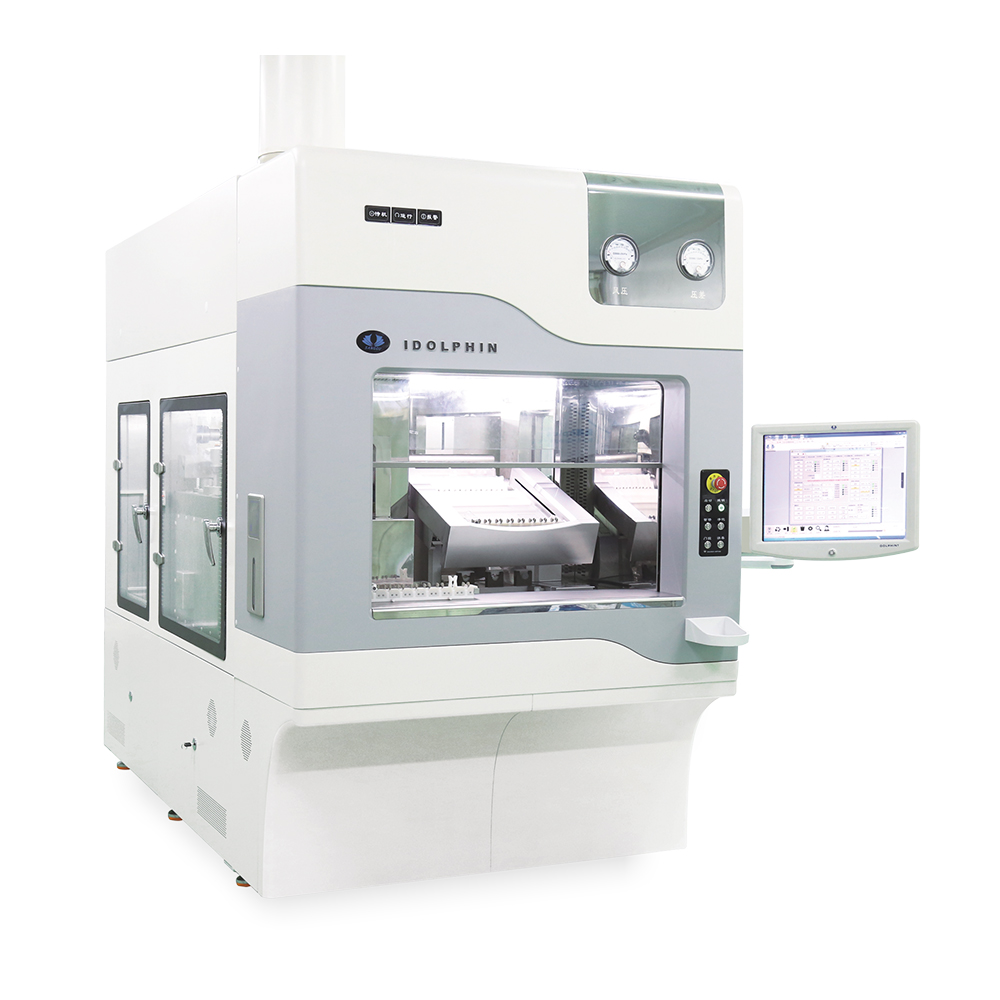
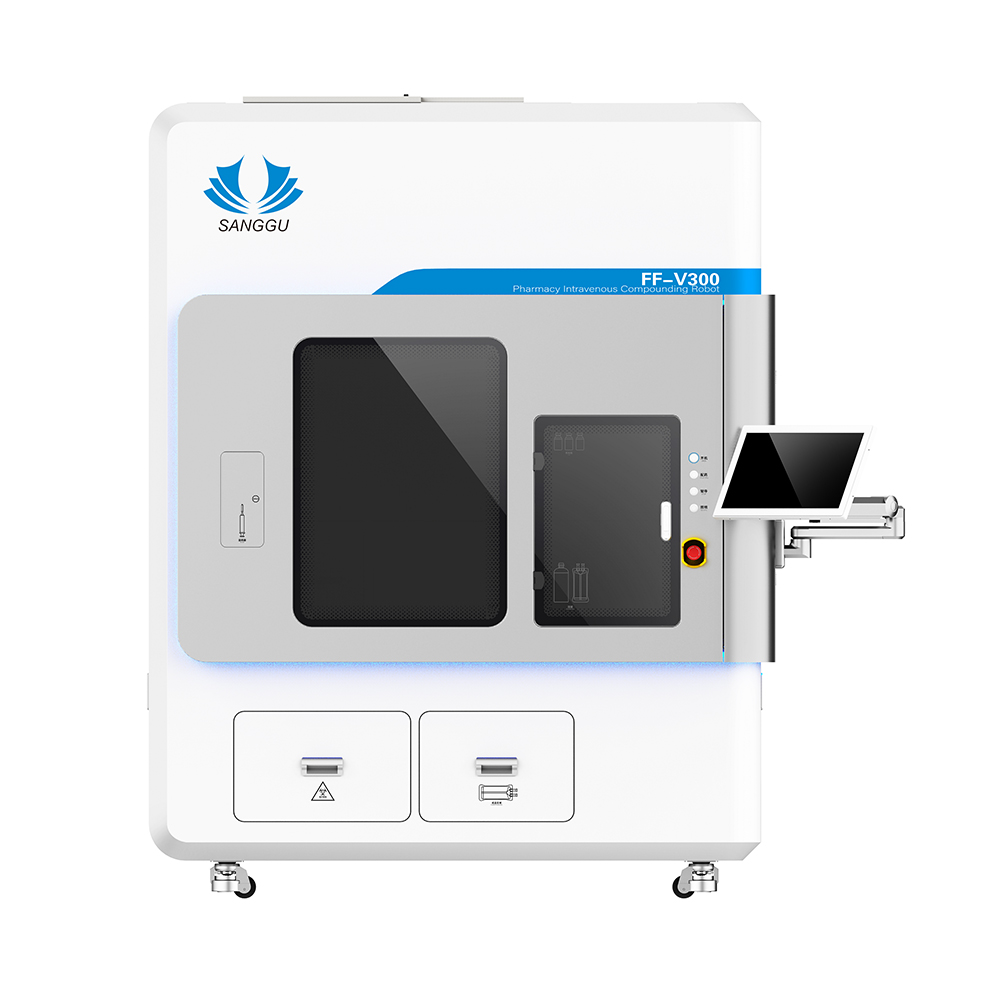

If licensed pharmacists can be transferred from mechanical prescription review, compounding, and sales positions to some irreplaceable positions, such as health consultation services and home medical health management for the elderly to perform pharmaceutical service functions, this can maximize the service value that licensed pharmacists should have, whether for individuals or enterprises, and the emergence of drug compounding robots can effectively solve this problem.
Drug compounding robots have the following advantages:
1. Higher efficiency
Different robots have different technologies and compounding rates. In an ordinary community pharmacy in California, USA, a drug compounding robot can compound 125 prescriptions per hour.
To the human eye, a certain white pill looks very similar to other white pills; when a patient needs 5 pills, pharmacists are very likely to make an error and count 4 or 6; but robots will not confuse different pills or miscount quantities.
2. Greater safety
Drugs are locked inside the drug compounding robot, and only staff with identity authentication can open the machine. This can reduce human errors caused by distraction.
3. Better service
Robots can reduce the time licensed pharmacists spend compounding drugs and the time customers wait, which can enhance pharmacy service levels and customer satisfaction. Reducing the compounding time of professionals also frees the hands of pharmacists and technicians, allowing them to have more time with patients and provide other non-prescription drug services, thereby also expanding services in areas such as immunizations, health screenings, and diagnostic testing.