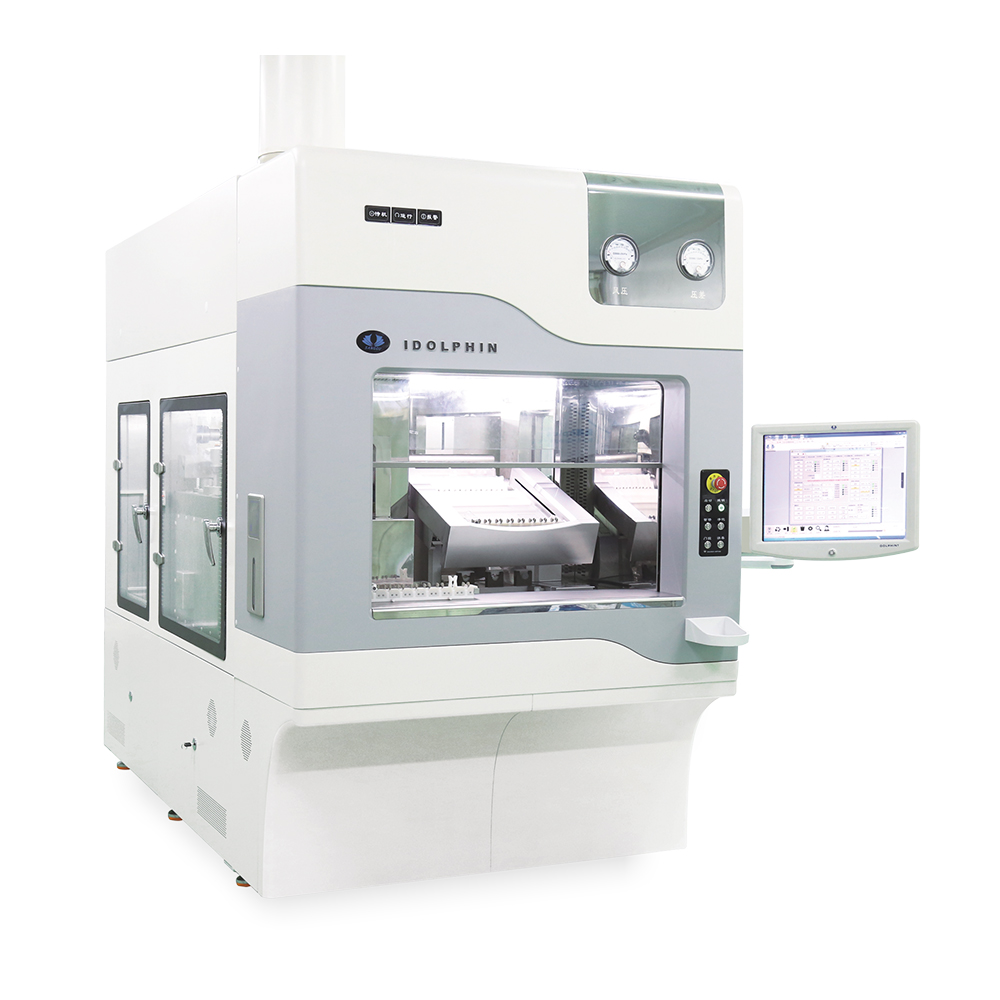
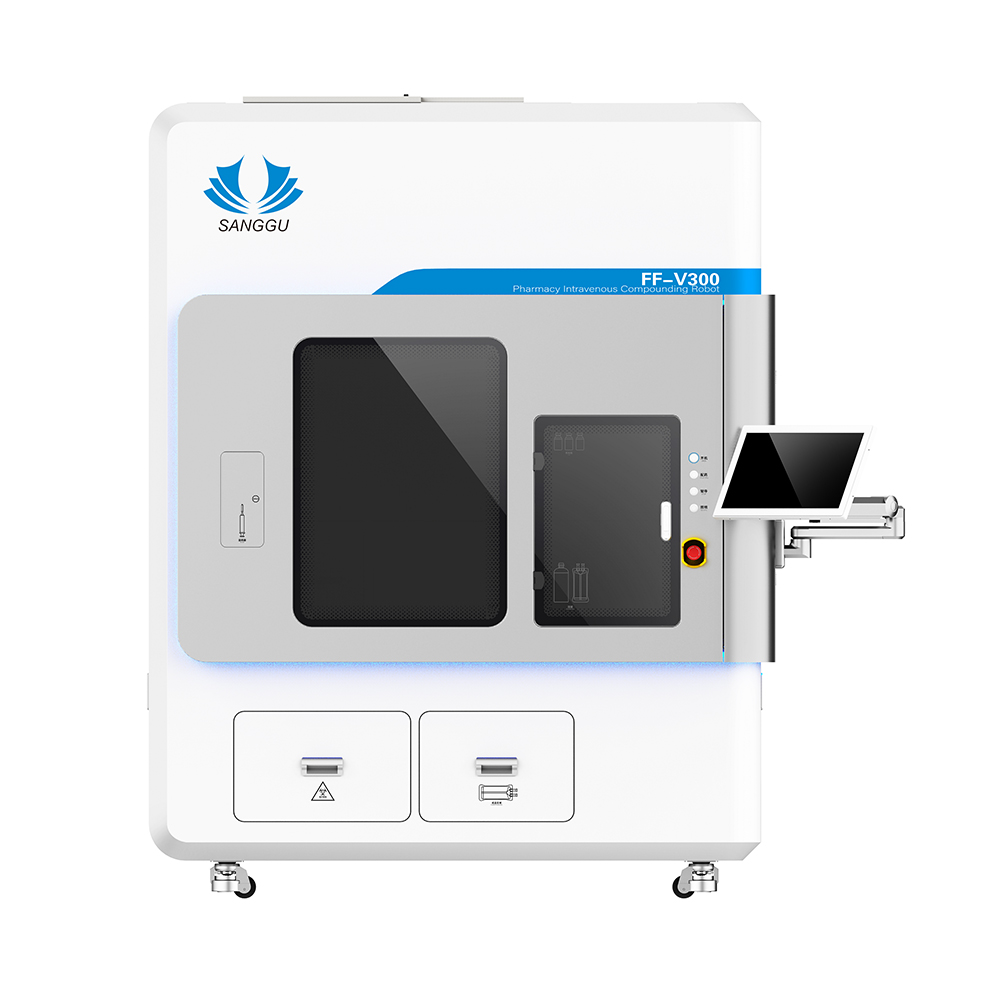

To further align with the construction of smart hospitals and actively respond to the national "14th Five-Year Plan Digital Hospital Construction Plan," at 7 PM on March 24, 2022, the Nursing Department of Southwest Hospital (the First Affiliated Hospital of Army Medical University of the Chinese People's Liberation Army), with Head Nurse Zhang organizing the main nursing staff of the Nursing Department, together with Shenzhen Sanggu Medical Robots, held an online seminar on intelligent drug compounding robots that lasted nearly three hours. The two sides conducted in-depth exchanges on how to better apply the Sanggu Dolphin 7 drug compounding robot and build smart pharmaceutical services, among other topics.
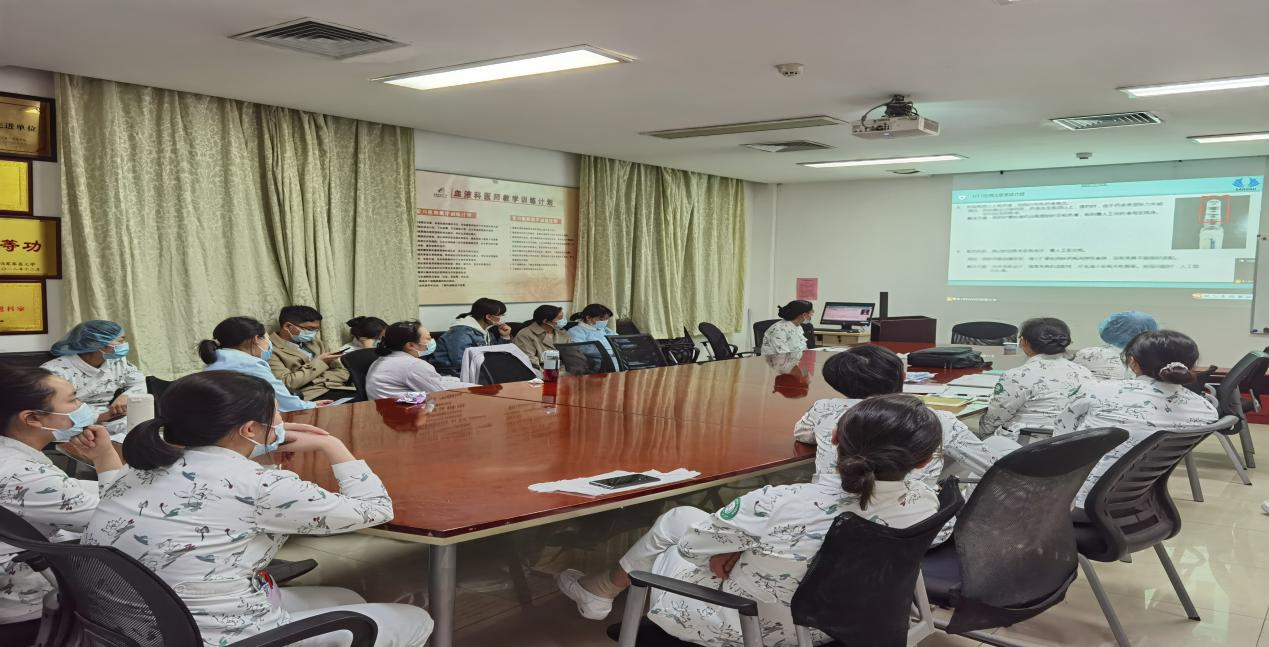
First, Sanggu Company gave a detailed introduction to the development history and necessity of application of drug compounding robots, and conducted an in-depth analysis of the current application status and performance comparison of intravenous drug compounding robots at home and abroad. After listening attentively, the teachers from Southwest Hospital, combining their rich clinical experience in intravenous drug compounding, actively shared the industry difficulties and pain points in the intravenous compounding industry that urgently need to be solved by intelligent robots, and put forward more intelligent ideas and requirements for future drug compounding robots from the user's perspective.
Next, the hospital and the enterprise held a lively discussion on the function exploration and performance improvement in clinical application of the intelligent drug compounding robot that our company installed at Southwest Hospital last year:
Head Nurse Zhang spoke from her own experience on behalf of the clinical department, pointing out the absolute advantages and existing shortcomings of robot drug compounding from the entire process of prescription review, drug loading, syringe installation, waste disposal, and hygiene cleaning. She affirmed the absolute advantages of drug compounding robots in safe medication, precise compounding, and occupational protection, and put forward many unique insights and in-depth industry analyses that closely fit clinical needs and the development of smart pharmacies regarding product updates and future development, and expressed great expectations for the 1,500-square-meter PIVAS center under construction at Southwest Hospital.
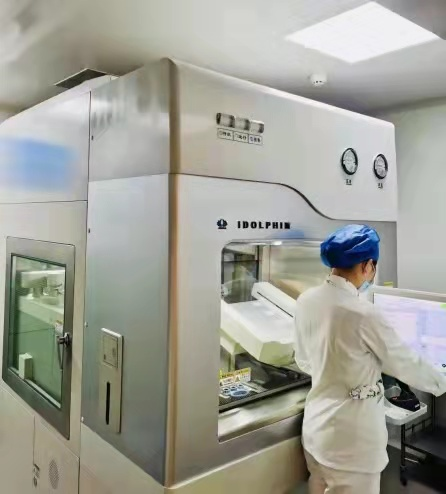
An intelligent pharmaceutical service system based on drug compounding robots, smart medicine cabinets, intelligent delivery, and other elements will ultimately be an inevitable trend in the development of smart hospitals. With the boost of industry pioneers like Head Nurse Zhang, who is diligent in thinking, brave in innovation, and willing to dedicate herself, the pace of building smart hospitals in China will surely be accelerated, stepping up to a new level.
Introduction to Southwest Hospital
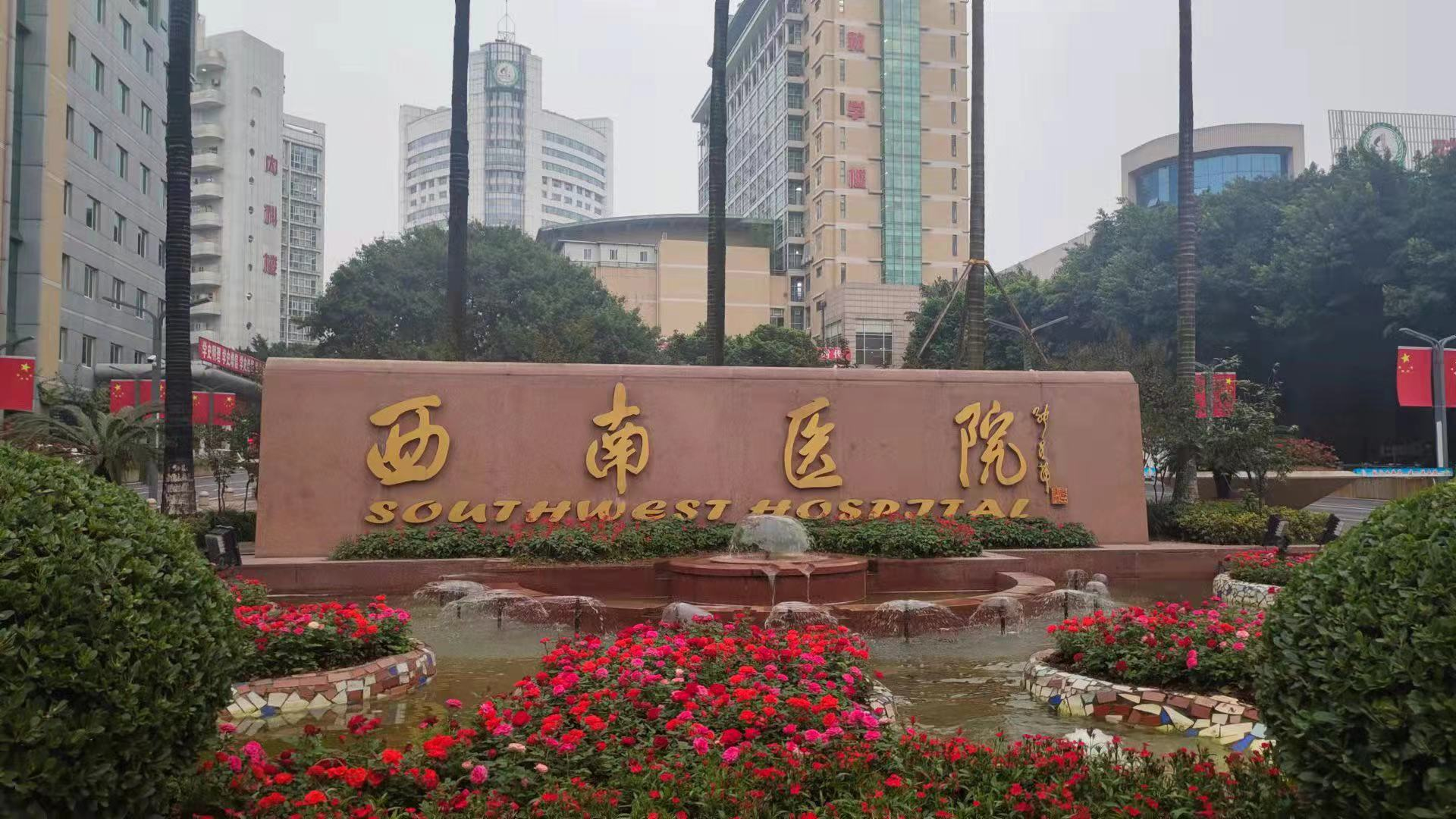
The First Affiliated Hospital and First Clinical Medical College of Army Medical University of the Chinese People's Liberation Army, externally known as Southwest Hospital, is a modern comprehensive "Grade 3A" hospital integrating medical treatment, teaching, scientific research, prevention, healthcare, and rehabilitation. Its predecessor was the Central Hospital of the Nationalist Government, established in Nanjing in 1929, relocated to Chongqing in 1941, taken over by the Southwest Military and Political Committee in 1949, named Southwest Hospital in 1950, renamed the First Affiliated Hospital of the Third Military Medical University in 1975, transferred to the Training Management Department of the Central Military Commission in 2016, and transferred to the Army in 2017, becoming the First Affiliated Hospital of Army Medical University.
Southwest Hospital has 60 clinical and medical technology departments, with 2,900 beds. In 2019, the annual outpatient and emergency volume was 4.147 million visits, the admission volume was 146,000 patients, the surgical volume was 114,000 procedures, and the average length of stay was 5.93 days. The total value of instruments and equipment is approximately 2.2 billion yuan, and it possesses highly sophisticated instruments and equipment such as the "da Vinci" surgical robot, intraoperative MRI, 7.0 T MRI, TOMO knife, large hyperbaric oxygen chamber group, and neuronavigation system.
The Hematology Center of Southwest Hospital is a comprehensive discipline integrating medical treatment, teaching, and scientific research. After years of development, the discipline has become one of the largest specialized treatment bases for hematological diseases in Southwest China, with its comprehensive technical level ranking among the advanced in the country. It was approved as a master's degree authorized discipline in 1978, and as a doctoral degree authorized discipline and postdoctoral mobile station in 1986.
The Oncology Department of Southwest Hospital was founded in 1953 and is one of the earliest oncology specialties established in Southwest China. It currently possesses advanced radiotherapy systems such as Varian Edge and TomoHD, cutting-edge quality control and quality assurance equipment, multimodal imaging (CT, MRI, PET/CT, etc.) fusion technology, and various image-guided tracking systems. It is an oncology specialty treatment center for tumor chemotherapy, radiotherapy, molecular targeted therapy, and immunotherapy, and is a doctoral degree authorized discipline.