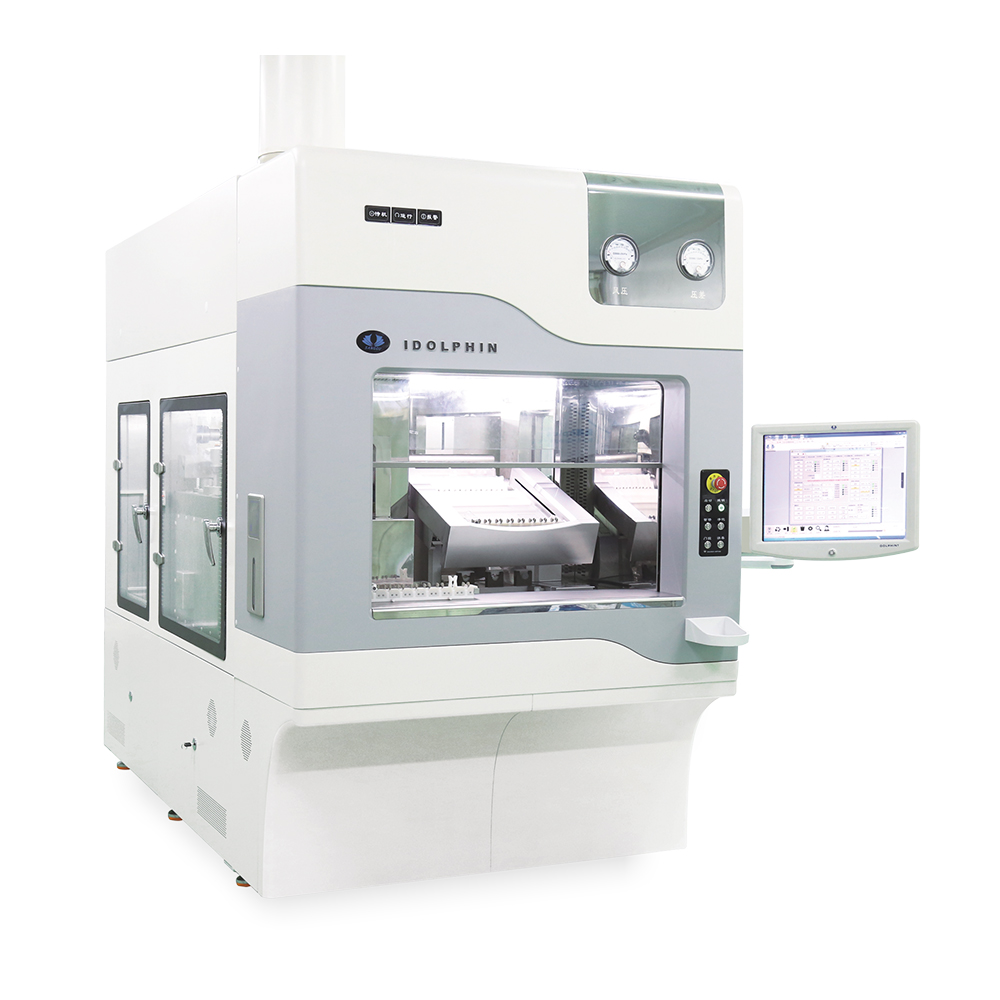
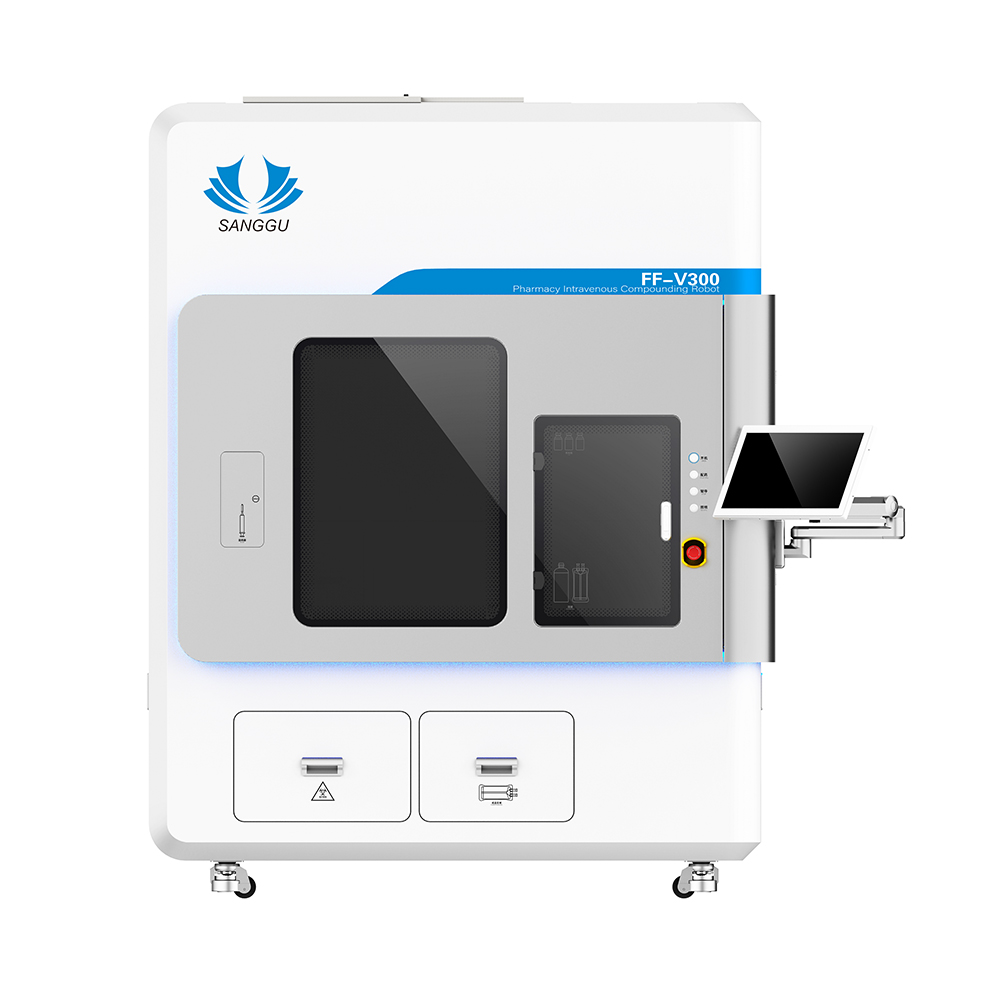

First, the overall improvement of interaction and perception capabilities. Currently, many medical robot products are still in a "passive" stage and can only be used as auxiliary tools. In the future, the deep integration of medical robots with cutting-edge technologies such as artificial intelligence, brain-computer interaction, 5G networks, AR/VR, and big data is expected to improve the level of interaction with doctors and patients, and to perceive data, objects, and environments more accurately.
Second, miniaturization and flexibility will develop faster. At present, medical robot products are basically "huge" and "bulky," so they are mainly used in some macro scenarios. However, many research institutions and technology enterprises have been actively promoting the miniaturization and flexibility of medical robots, hoping to further enrich the application scope of medical robots and provide assistance for medical diagnosis and treatment in some micro scenarios.
Overall, although China's medical robots are in their infancy and the volume is still small, from the perspective of application effects, the large-scale use of robots will be a trend in the medical field in the future.