
Problems Existing in Drug Compounding Robots
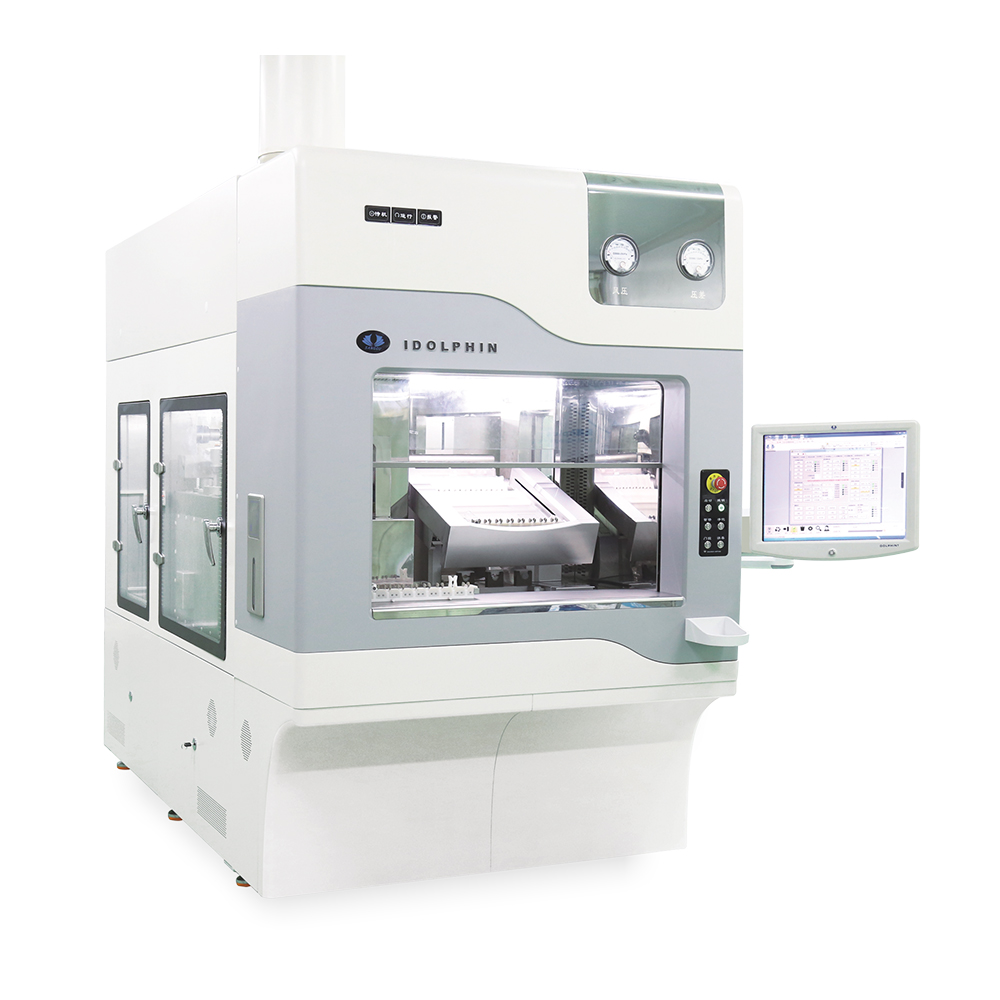
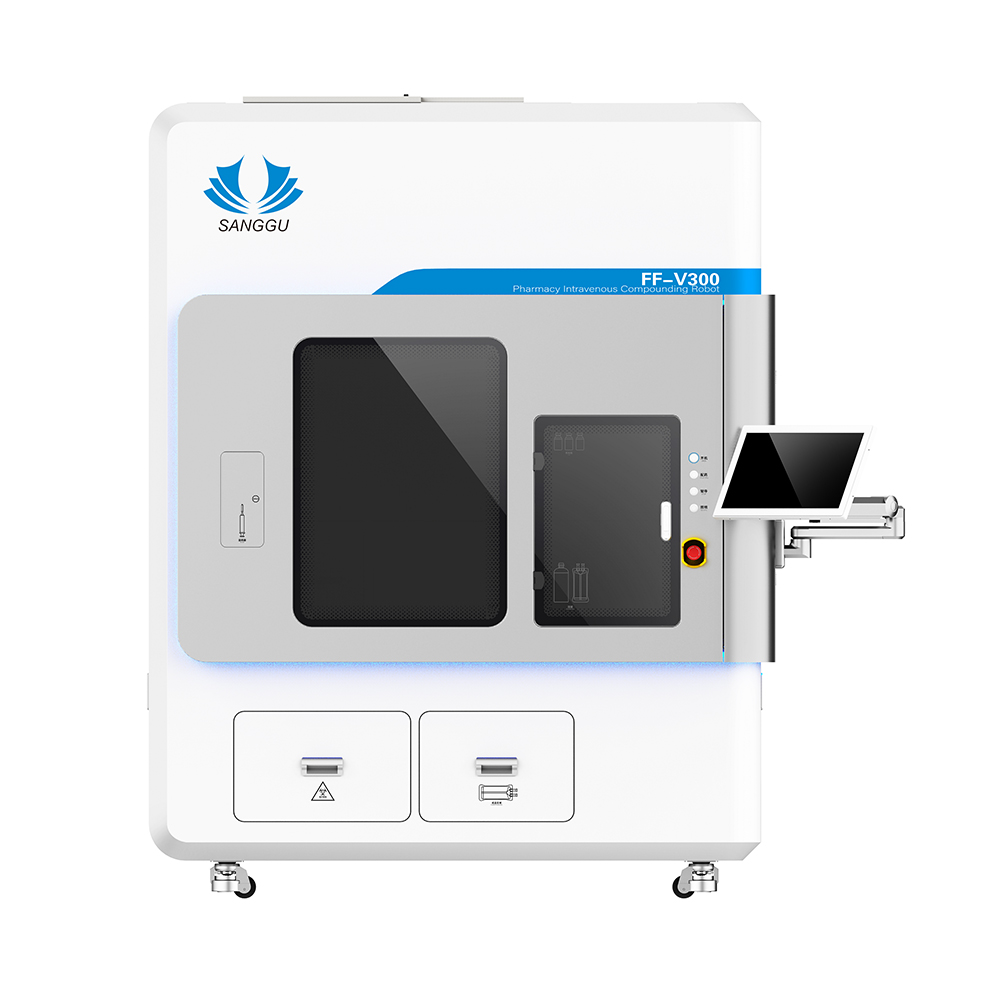
For the application of drug compounding robots in smart pharmacies, it is still at an emerging stage, mainly facing three major problems: technology, cost, and acceptance, which are restricting their popularization and development.
I. Technology. In addition to the defects in the core technologies and key components of the robots themselves, drug compounding robots are also not very perfect in terms of intelligence level, human-computer interaction level, intelligent voice, machine vision, sensor recognition, and autonomous action. Therefore, the functional practicality they bring is still insufficient, which requires Chinese enterprises to accelerate technological breakthroughs and R&D innovation to improve.
II. Cost. Because the technology R&D of drug compounding robots is relatively complex, and the strength of Chinese enterprises themselves is still insufficient at present, they need to refer to and draw on foreign materials and technologies, which results in high development costs. These expenses are added to the application stage, making the purchase and application costs relatively high. Currently, apart from some large hospitals and pharmacies that can use drug compounding robots, other institutions are not yet in a position to use them.
III. Acceptance. Among the main application scenarios of drug compounding robots—pharmacies—the middle-aged and elderly population is the most important consumer group. Their understanding and acceptance of high technology are insufficient, so when robots are widely applied, product usage and acceptance are greatly reduced.