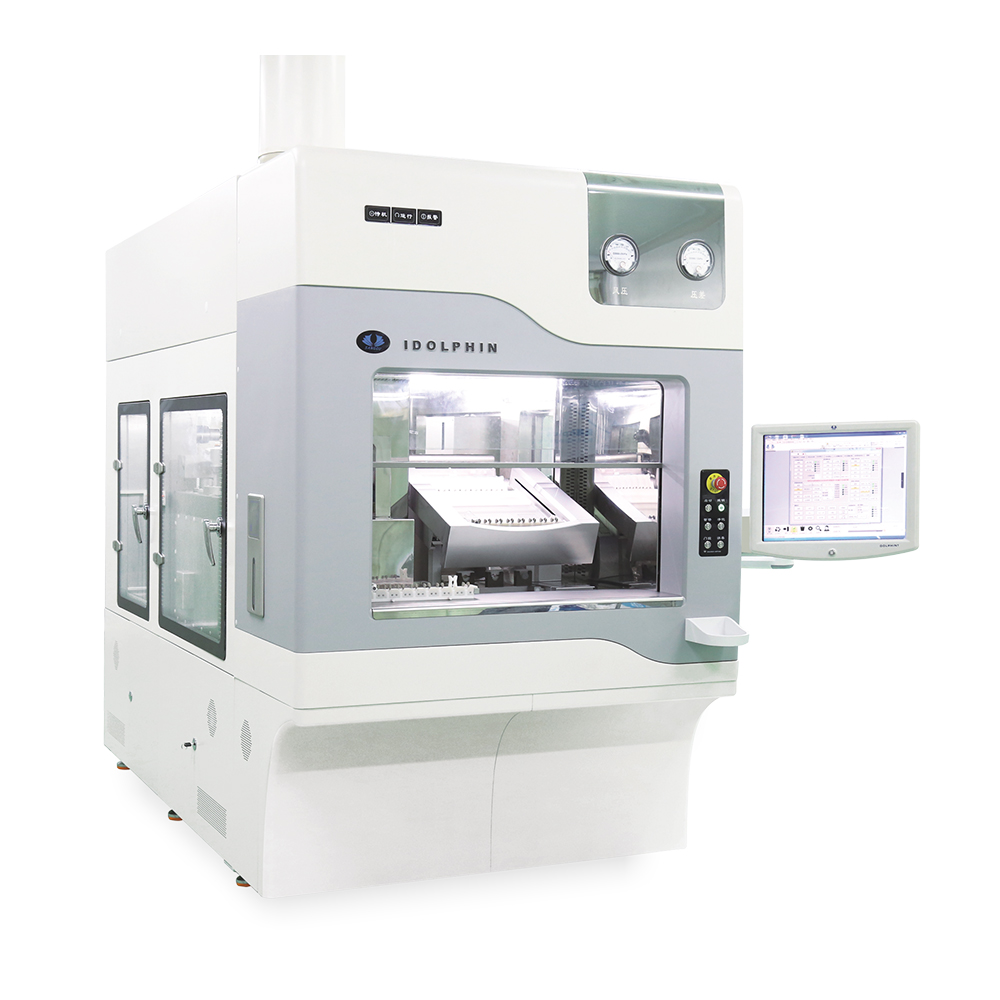
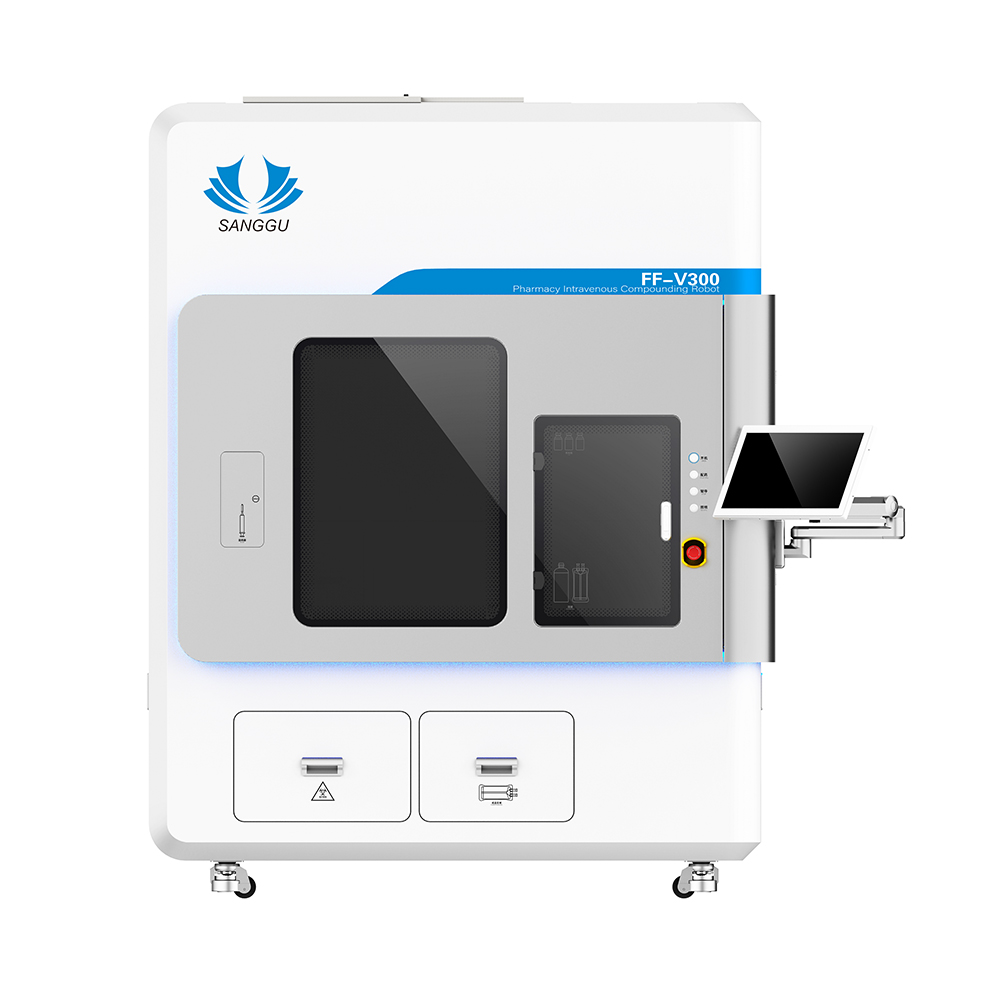

Current Market Competition Status of Drug Compounding Robots
Compared with surgical robots, the threshold for intravenous drug compounding robots is relatively low, making them suitable for start-up robotics companies to enter this field. Recalling the original intention behind developing intravenous drug compounding robots, Zhang Jianzhong believes that the role of intravenous drug compounding robots is to solve issues of safety and repetitiveness.
In China, intravenous drug compounding is mostly carried out in injection rooms or ward treatment rooms, and is usually done manually, which is highly labor-intensive and inefficient. Currently, many Grade 3A hospitals in China have introduced drug compounding machines in their pharmacies, but for the compounding of intravenous medications such as total parenteral nutrition solutions, cytotoxic drugs, and antibiotics, manual compounding methods are still used.
Manual drug compounding has many drawbacks, such as being highly prone to drug solution contamination, nurses being easily cut by glass, and preparing toxic drugs leading to occupational diseases. For patients, drugs prepared in a substandard compounding environment may cause secondary infections.
Zhang Jianzhong mentioned, "From a technical perspective, intravenous drug compounding robots mainly solve the quantitative issues that traditional drug compounding machines cannot handle. Many intravenous drugs fall between normal therapeutic drugs and poisons, especially drugs for major diseases such as tumors. During the compounding process, the robot must grasp the dosage accurately, which requires the machine to be intelligent and user-friendly."
According to the "Provisional Regulations on Pharmaceutical Affairs Management in Medical Institutions" issued and implemented in China, "Medical institutions shall gradually establish intravenous liquid compounding centers (rooms) according to clinical needs, and implement centralized compounding and supply." If each Grade 3A hospital is equipped with 2 intravenous drug compounding robots, there is a market capacity of approximately 2,800 units. Given that the specified service life of medical equipment is 5-7 years, the annual installation volume is approximately 400-560 units, indicating a broad market space.
Because the entry threshold is relatively low, many enterprises have begun to flood into the intravenous drug compounding robot market. Moreover, these enterprises all claim to have developed the first intravenous drug compounding robot in China.