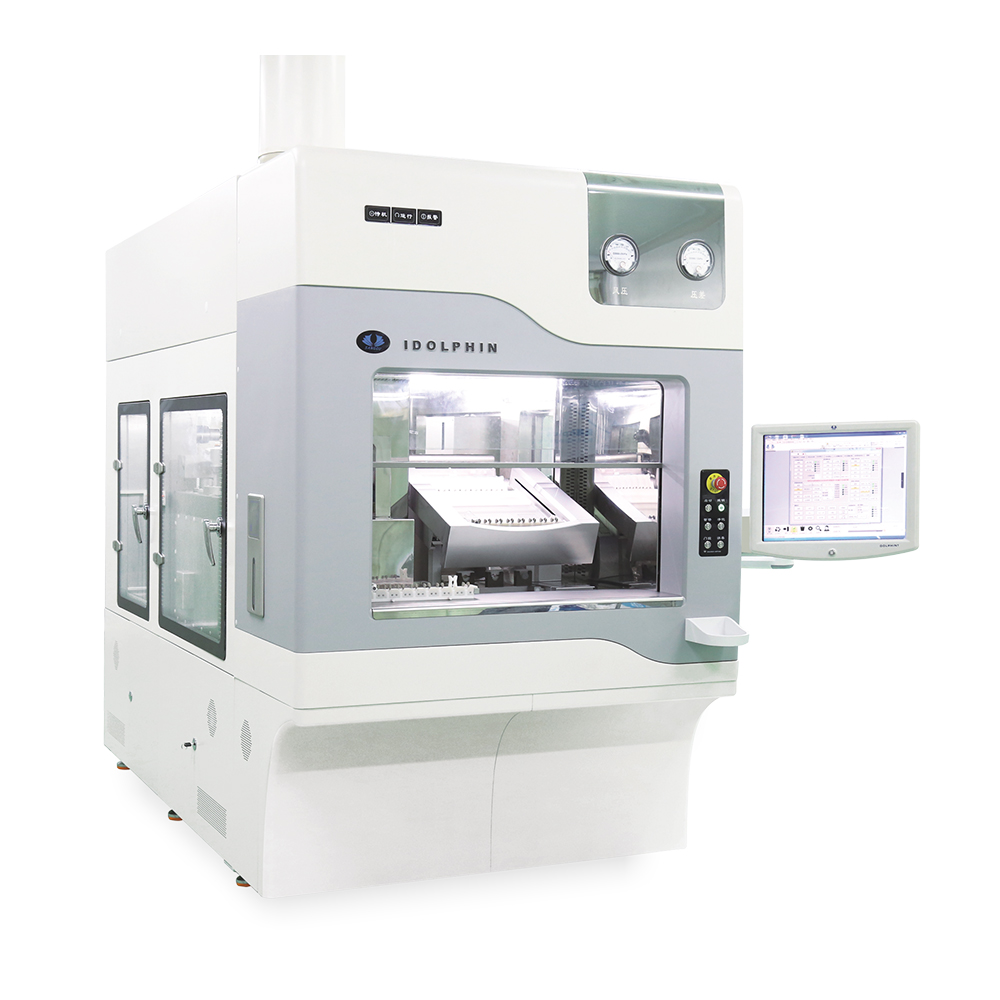
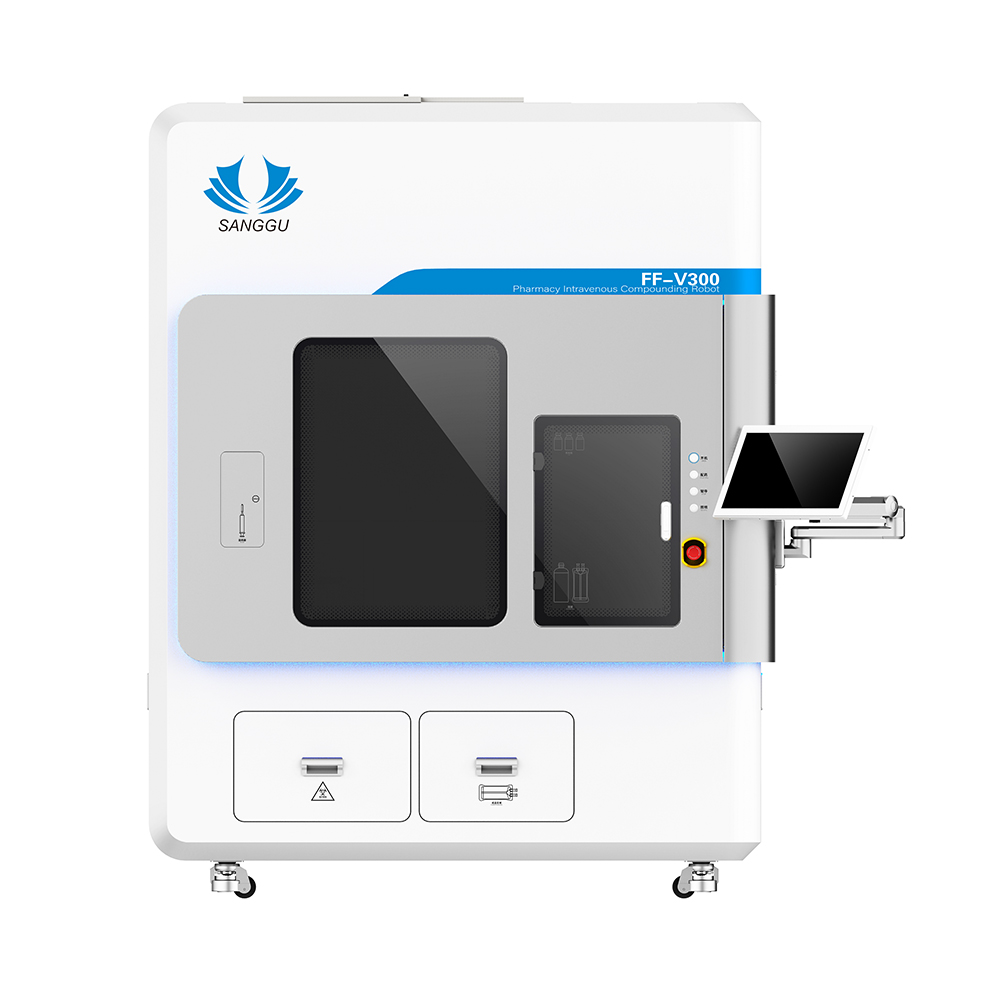

Currently, intravenous infusion drugs in hospitals are all manually compounded by medical staff. However, this is likely to cause human errors and drug contamination, and it also harms the health of compounding nurses due to exposure to chemotherapy, radiotherapy, and antibiotic drugs. The emergence of intravenous drug compounding robots has realized automated intravenous drug compounding, and they can adapt to many requirements in domestic clinical medication, such as a wide variety of drugs, extensive dosage forms, and complex and diverse packaging.
In particular, for the handling of glass ampoules, which are most common in China and previously could not be broken open by robotic arms, the breakage rate has dropped to less than one in a thousand. They can perform operations such as ampoule cutting, disinfection, snapping, and aspiration, as well as vial disinfection, injection, shaking, and aspiration. They not only achieve full-process automated drug compounding in a Class 100 purified enclosed environment, but also can perform functions such as drug compatibility testing, medical waste classification, and multi-information comprehensive monitoring. At the same time, they feature high compounding precision, strong adaptability, a high degree of automation, strong traceability, small overall dimensions, flexible mobility, and reasonable prices. They can ensure that the entire process is rigorous, precise, standardized, and safe, solving problems such as occupational injuries and drug cross-contamination that are difficult to avoid in manual operations.