
1. Accelerating population aging and increasing demand for medical robots
China's population is now severely aging, and the application demand for medical robots is gradually increasing. The elderly are a major group in need of medical robots, and rehabilitation robots will be widely used. According to data analysis from the National Bureau of Statistics, in 2018, the population aged 60 and above in China was 250 million, accounting for 17.9% of China's total population. It is estimated that by 2050, the elderly population will reach 500 million, and the demand for medical robots will continue to rise.
2. The robotics industry is developing well, and medical robots are gradually maturing
Science and technology are developing rapidly, and the service robot industry is also developing rapidly. The application fields are constantly broadening, and the market size of service robots is also continuously expanding. In 2018, the market size of China's service robots was 1.84 billion USD, and in 2019 it reached 2.2 billion USD, a year-on-year increase of 33.1%, higher than the growth rate of the global service robot market.
Among China's service robots, medical service robots account for about 28%, and the market size of medical robots had already reached 510 million USD in 2018. Medical robots are continuously developing, and the application fields are gradually broadening. Surgical robots have already moved into clinical trials with good application results. Overall, China's medical robots are in their infancy and relatively small in volume. From the perspective of application effects, the large-scale use of robots will be a trend in the medical field in the future.
3. Diversified applications of medical robots
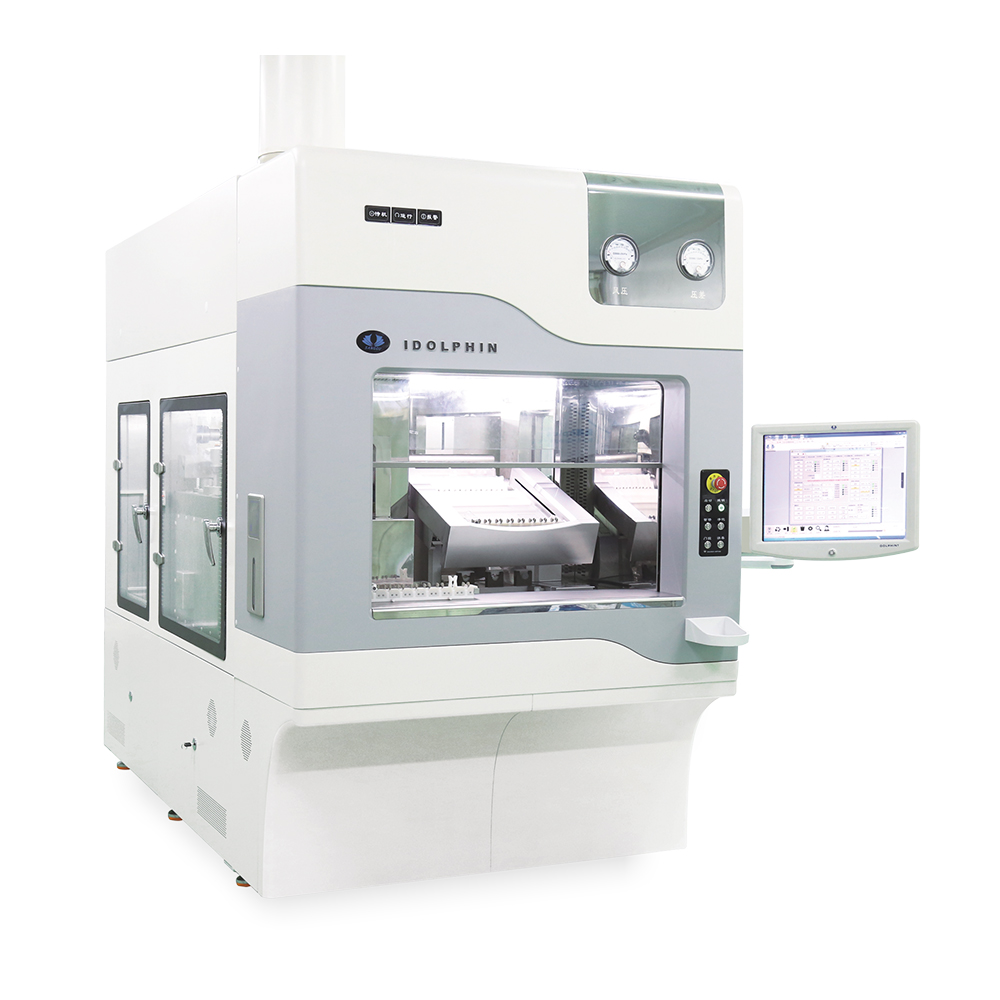
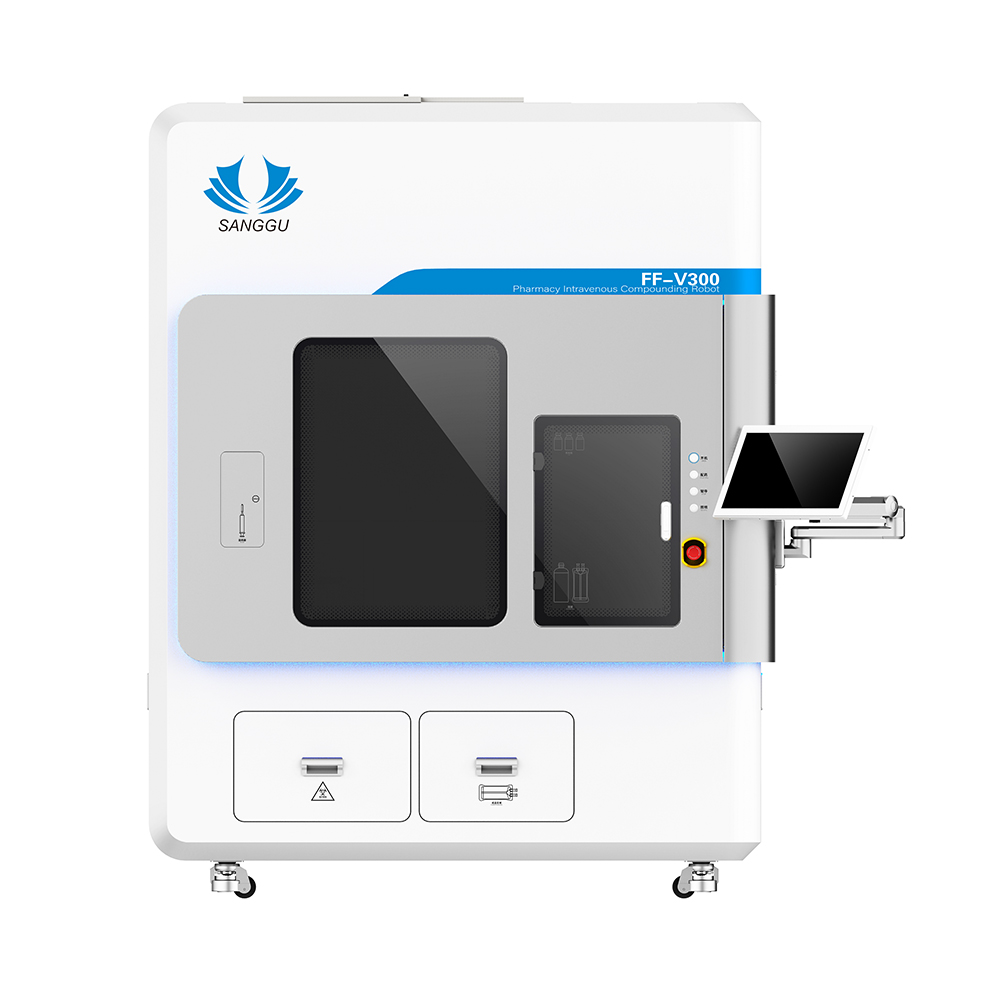
In terms of application fields, surgical robots, with rehabilitation robots as the main focus, are gradually being widely used. In addition, on the basis of the R&D of surgical robots and rehabilitation robots, various types of auxiliary robots and service robots such as logistics, drug compounding, blood collection, and capsule robots have emerged. Overall, rehabilitation robots account for about 41%, auxiliary robots for 17%, and surgical robots for 16%.