
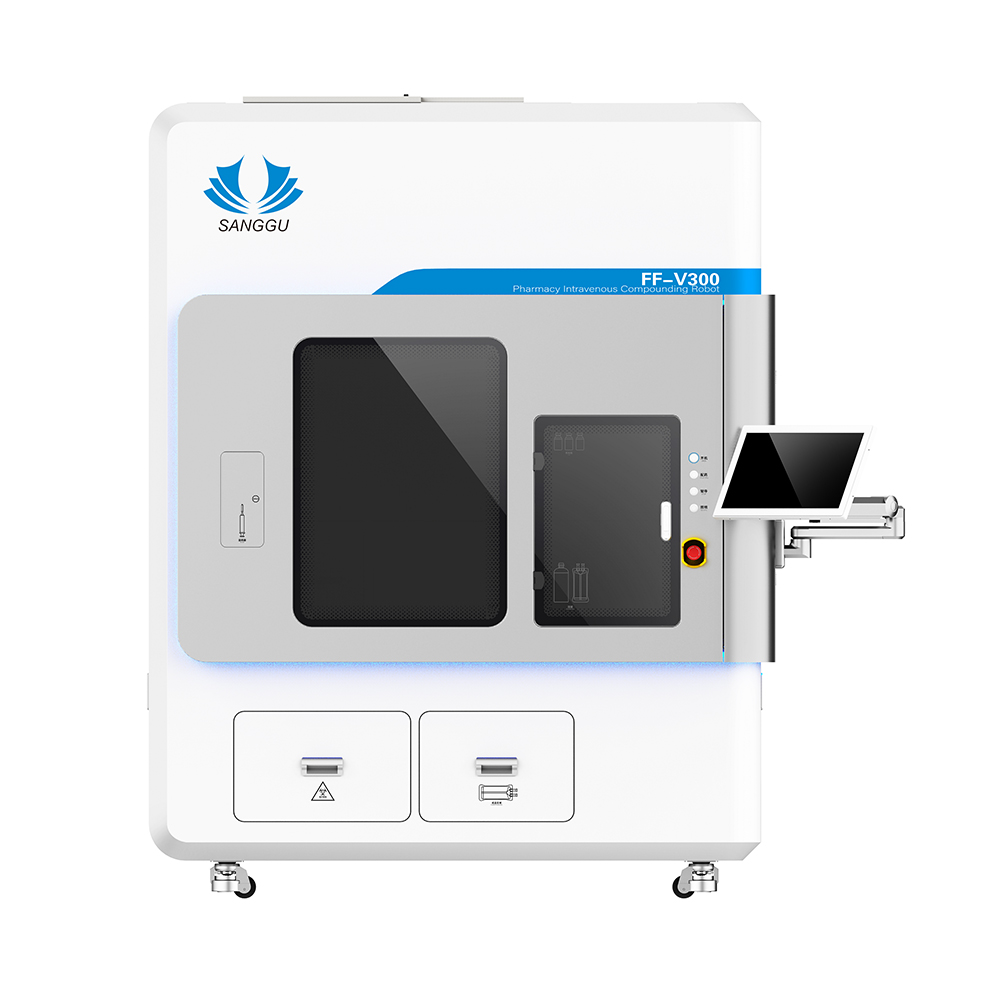

Intravenous drug compounding must be carried out in the treatment rooms of hospital wards in an open environment for distributing intravenous drug preparations, in contrast to the configuration and distribution of intravenous drugs specifically for intravenous injection, which is done on local million-level (Class 10,000) cleanrooms on operating tables. Clean and enclosed environments are staffed with dedicated technicians.
Advantages:
1. It has changed the traditional practice of various clinical intravenous infusions and drug mixing in the past. Previously, it was operated by nurses in the wards. However, due to the limited environmental conditions of the wards, the quality of infusion is highly susceptible to being affected, and the safe medication of patients cannot be guaranteed.
2. It prevents the pollution of the ward environment and harm to medical staff caused by the open compounding of chemotherapy drugs as in the past.
3. It enhances the pharmaceutical review of the rationality of medical orders and prescriptions, greatly giving play to the functionality and role of pharmacists.
4. It helps rational drug use, improves the level of drug treatment, and reduces treatment costs.
It clarifies the division of labor and cooperation between pharmacists and nursing staff, freeing nurses from the tedious daily infusion work and giving them more time to do clinical nursing, thereby improving nursing quality.
The development of modern medical science and technology is rapid, and the treatment mode of intravenous infusion of liquid drugs has already changed from an open and semi-open mode to a completely closed infusion mode. Now, in the world's pharmaceutical industry, the implementation of GMP enables the entire process of drug production to focus on quality, conducting dynamic management and control of the entire production process to ensure the high quality of produced drugs. In the drug circulation link, the implementation of the "Good Supply Practice for Pharmaceutical Products" (GSP) also guarantees the quality of drugs in the procurement, storage, and circulation links.