
Beijing Jishuitan Hospital — Tianji Orthopedic Robot: The third-generation "Tianji" robot by Tinavi can assist doctors in performing surgeries for limb and pelvic fractures as well as full-segment spinal surgeries. It has been put into clinical application in more than 10 hospitals, including Beijing Jishuitan Hospital, and has completed more than 2,000 surgeries cumulatively. Using the Tianji orthopedic robot for surgery, the surgical precision can reach 0.8 millimeters, reducing intraoperative radiation by more than 70% and improving surgical efficiency by more than 20%, with advantages such as reduced intraoperative blood loss and minimally invasive tissue treatment.
Paralyzed Patients — Fourier X1 Exoskeleton Robot: The Fourier Intelligence exoskeleton robot Fourier X1 is mainly aimed at patients with lower body paralysis, helping them achieve basic functions such as sitting, standing, walking, and going up and down stairs. Among the first batch of trial users of Fourier X1 was a patient with complete paraplegia below the chest and no strength in the thighs, knees, or ankles. After a period of adaptation and training, the patient has been able to use the exoskeleton for preliminary walking.
Shanghai Renji Hospital, the First Affiliated Hospital of Zhengzhou University — Taimi Ward Service Robot: The nuclear medicine wards of Shanghai Renji Hospital and the East Campus of the First Affiliated Hospital of Zhengzhou University have both introduced Taimi's services. In a radionuclide radiation environment, the Taimi ward service robot can replace medical staff to perform ward services such as measuring patient vital signs, delivering drugs, environmental radioactivity detection, and inspections, and can also conduct remote video consultations and answer patients' questions in real time. For medical staff, it reduces the number of times they enter the ward, avoids unnecessary radiation, and enables them to use the robot to complete work that originally required manpower, such as vital sign detection, consultations, and ward rounds.
Martin Medical Center — Xenex LightStrike Disinfection Robot: Martin Medical Center is the flagship hospital of the Martin Health System. Since the center announced the adoption of the Xenex LightStrike disinfection robot, the C. diff bacterial infection rate has dropped significantly. In peer-reviewed studies of medical institutions, the Xenex LightStrike robot has been considered helpful in reducing C. diff, MRSA, and surgical site infection rates by more than 46%. At Martin Medical Center, the Xenex LightStrike robot is used in the wards and auxiliary areas of five high-risk units to provide the cleanest possible rooms for susceptible populations.
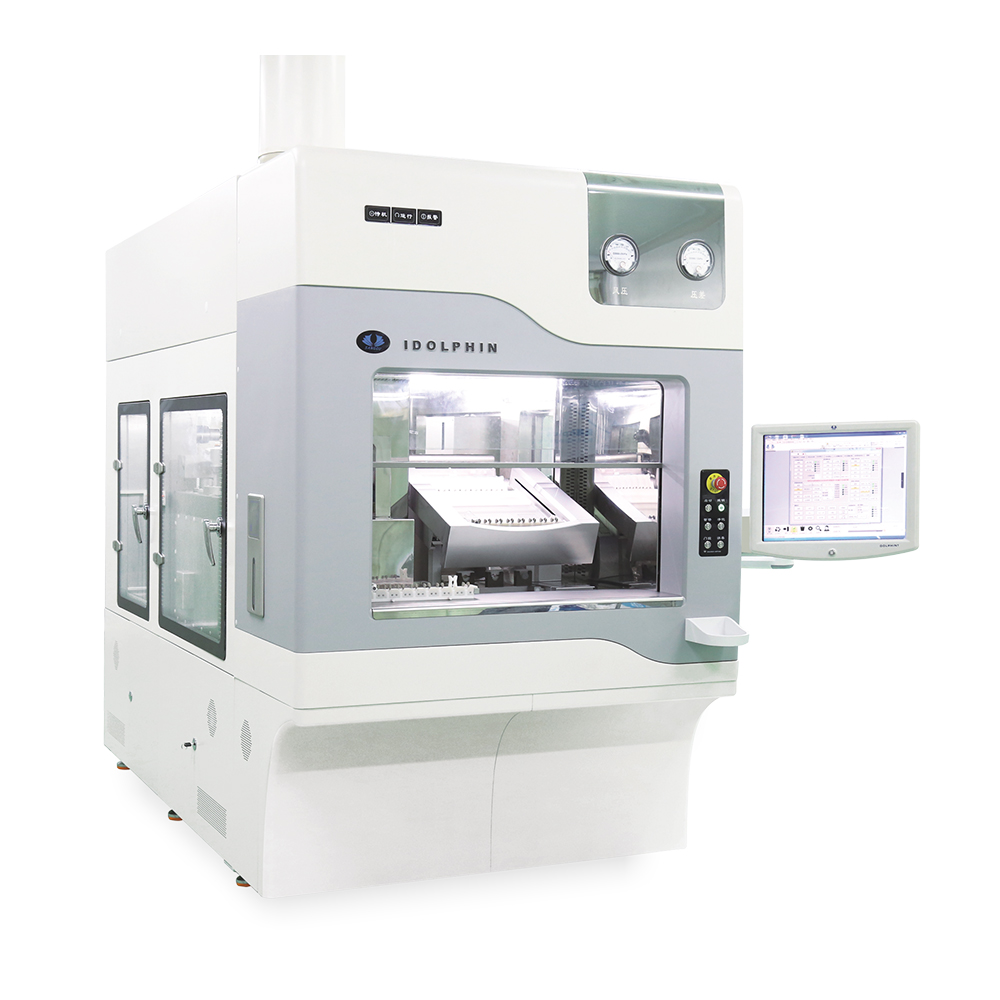
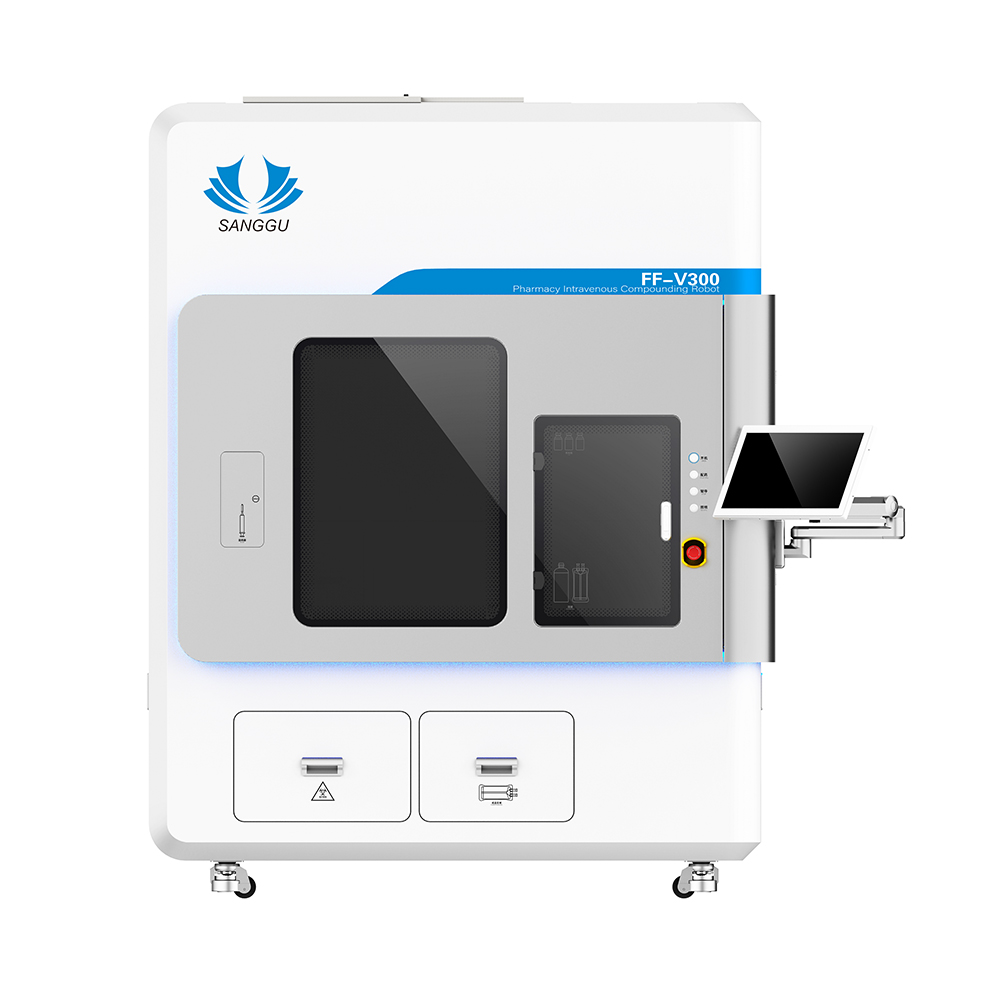
Shenzhen Sanggu Medical Robot Co., Ltd. specializes in the R&D, manufacturing, sales, and after-sales service of hospital intelligent intravenous drug compounding robot series products, and is a "Council Member Unit" of the Shenzhen Robot Industry Technology Innovation Alliance. Currently, the company is actively laying out the research and development of other types of medical robots, striving to become a continuously leading vertically integrated manufacturer and service provider of medical robots.