According to sampling inspections of airborne bacterial content in local hospitals conducted by a large number of provincial and municipal disease prevention centers, the bacterial and dust content in the drug compounding environment of many domestic hospitals is generally high, mainly because the drug compounding process is carried out in an open environment. At present, urban pollution is relatively severe. The air disinfection methods currently used in hospitals, such as UV lamps, ozone, and drug fumigation, are harmful to the human body and cannot be used while people are working. Moreover, dead bacteria and dust after sterilization will still float in the air. If mixed into the drug solution, it may cause infusion reactions; dead bacteria can cause pyrogen infection, and dust can cause particulate hazards. The human body itself is a source of live bacteria; each drug compounding operator emits an average of 2,000 bacteria per minute. If a person sneezes without wearing a mask, about 100,000 bacteria are sprayed into the air. Taking total parenteral nutrition solution as an example, because its components are also a good culture medium for microorganisms such as bacteria and mold, it is highly susceptible to contamination when prepared in ordinary treatment rooms in wards and must be operated under sterile conditions. The "Quality Management Standards for Centralized Intravenous Drug Compounding" issued by the Ministry of Health in 2009 explicitly requires that intravenous infusion drug compounding must be carried out in an environment with Class 100 cleanliness. Currently, nearly more than 100 hospitals across the country have established intravenous drug compounding centers, equipped with relatively strict air purification devices, where compounding personnel work wearing sterile clothing. However, the investment in such centers is relatively large, making it difficult to popularize them. In addition, there is currently a shortage of medical personnel. Nurses often use different syringes for ordinary drugs and special drugs to compound a large number of drugs separately, sometimes needing to complete the preparation of infusion liquids for more than 40 patients within 1 to 2 hours. The compounding workload is heavy and the operation is complex, so situations may arise where medical personnel do not operate according to standard procedures, increasing the probability of human errors.
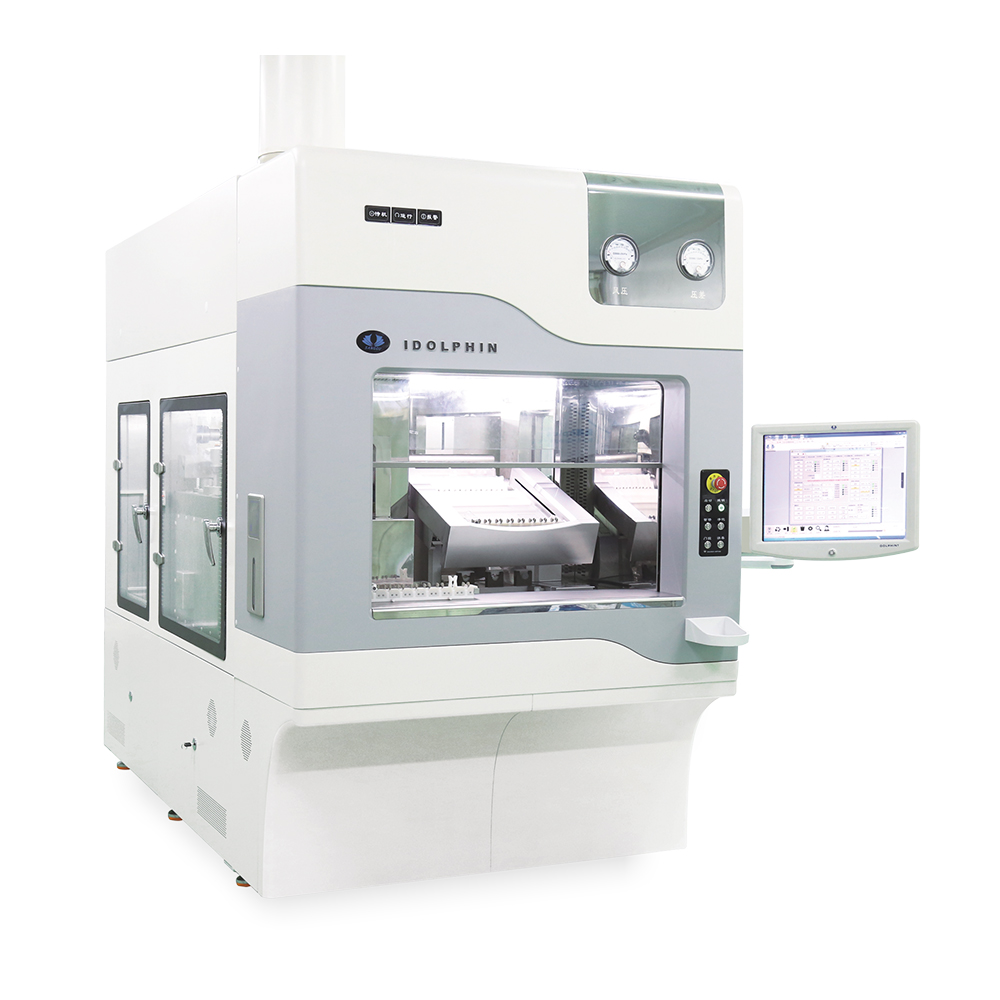
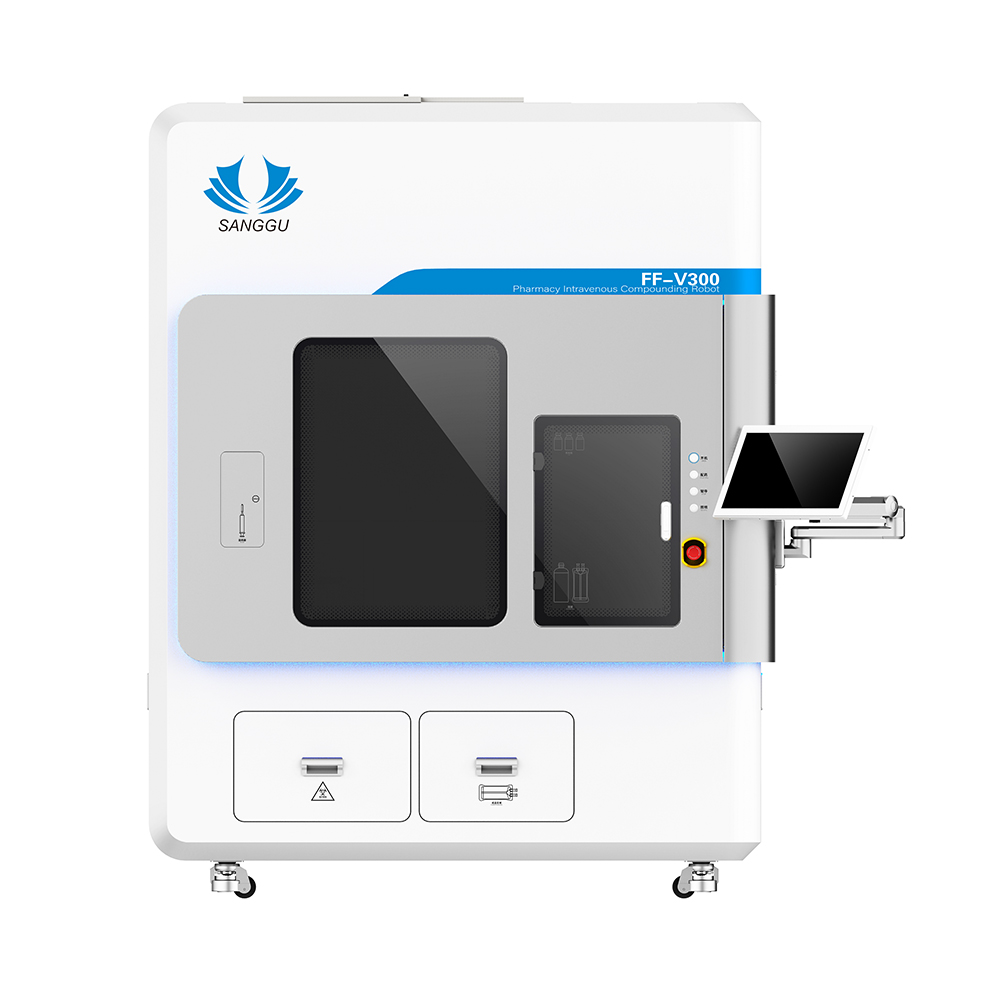
IDolphin7 is a brand-new generation of intelligent intravenous drug compounding robot launched by our company. It features a Class 100 purification space and can automatically complete drug compounding. It achieves the goal of standardized, normalized, and homogeneous management of quality in all aspects of intravenous drug compounding. The compounding process can completely isolate medical personnel from hazardous drugs, maximally protecting the safety of medical personnel and reducing occupational hazards.