
With the development of medical technology, the work of preventing and controlling hospital infections is facing more and more challenges. Today, hospital-acquired infections (HAIs) have become a public health issue of widespread global concern. According to statistics, the incidence of HAIs in China is about 3.6%, and the annual economic loss caused by HAIs reaches 10 to 15 billion yuan. Intravenous infusion is one of the important causes of HAIs. The particles contaminating the intravenous infusion process are generally non-metabolic particles such as fibers, dust, synthetic polymer materials, and microorganisms. Therefore, solving particulate contamination in infusions is of great significance at the current stage.
Drug compounding is an important part of intravenous infusion. The survey results on the factors causing HAIs related to drug compounding show that failure to strictly implement operating standards accounts for about 48.68%; unqualified drug compounding environments account for about 30.26%; long-term neglect of unqualified hand hygiene of compounding personnel accounts for about 42.65%; and the pathogen detection rate of syringes used in drug compounding reaches 10.6%. Therefore, improving the current status of drug compounding is the key to reducing the incidence of HAIs.
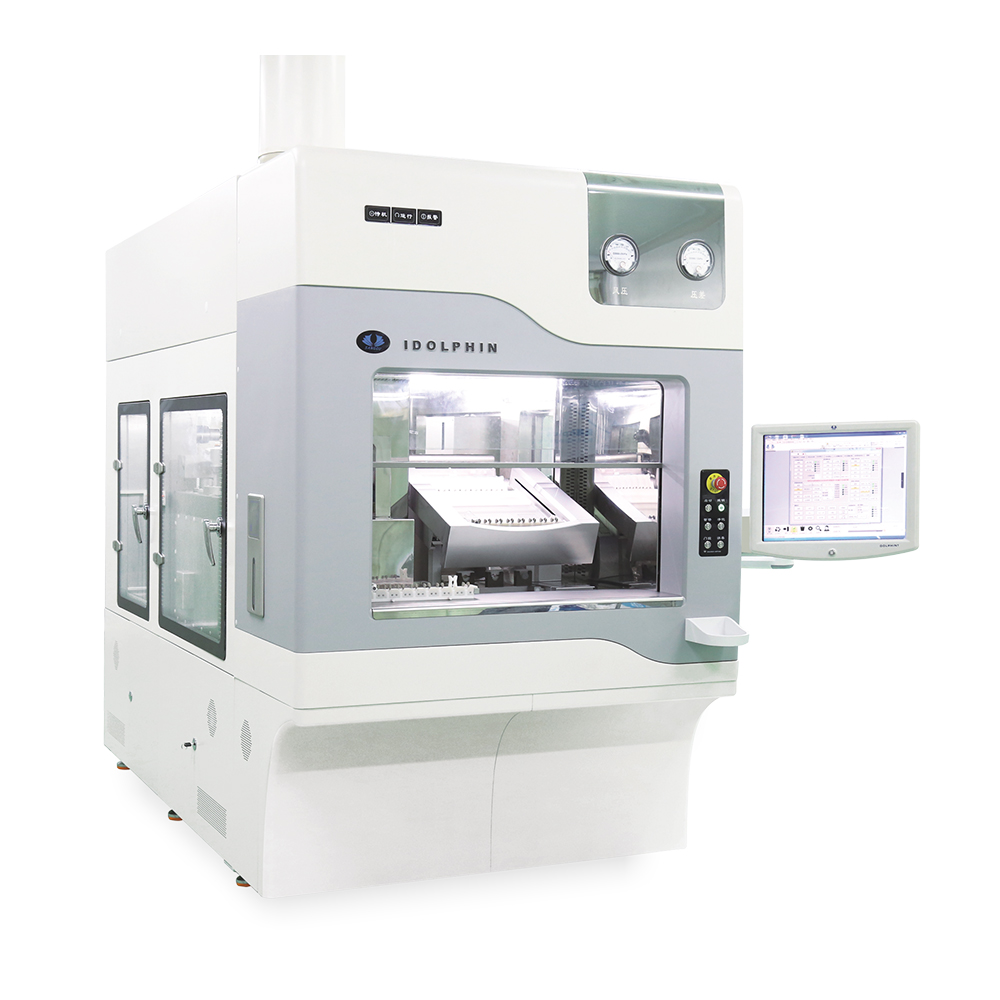
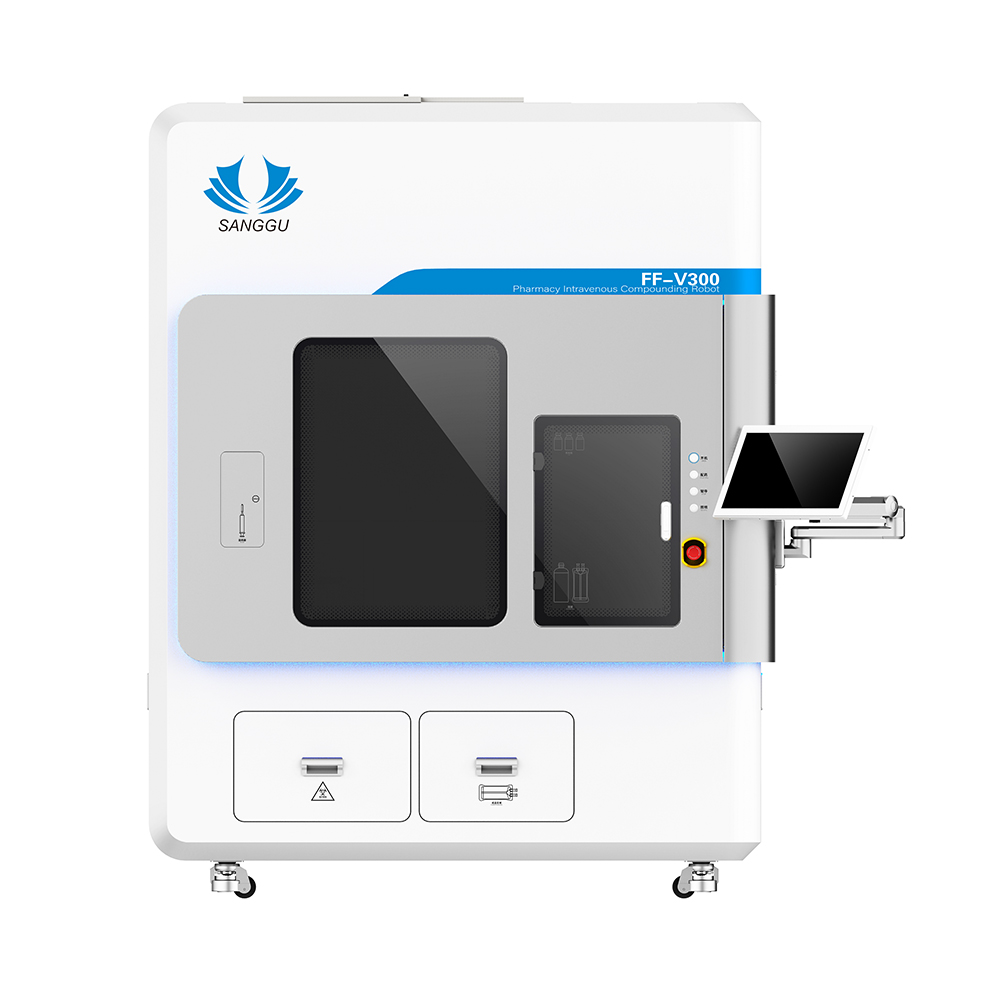
Based on the above situation, the development of drug compounding robots has successfully addressed the risks caused by existing drug compounding models. The drug compounding robot is a major innovation in medical history, independently developed by Wuxi Anzhizhuo Medical Robot Co., Ltd. It can improve hospital automation, liberate the workforce, replace manual drug compounding by pharmacists (nurses), eliminate occupational injuries, and standardize the drug compounding process. The product possesses 12 core technologies and 26 invention patents, and was completed over six years by R&D teams from Harvard University in the United States and Kyoto University in Japan, as well as domestic military enterprises.