
What Are Medical Robots as Stated by Sanggu Medical Robots
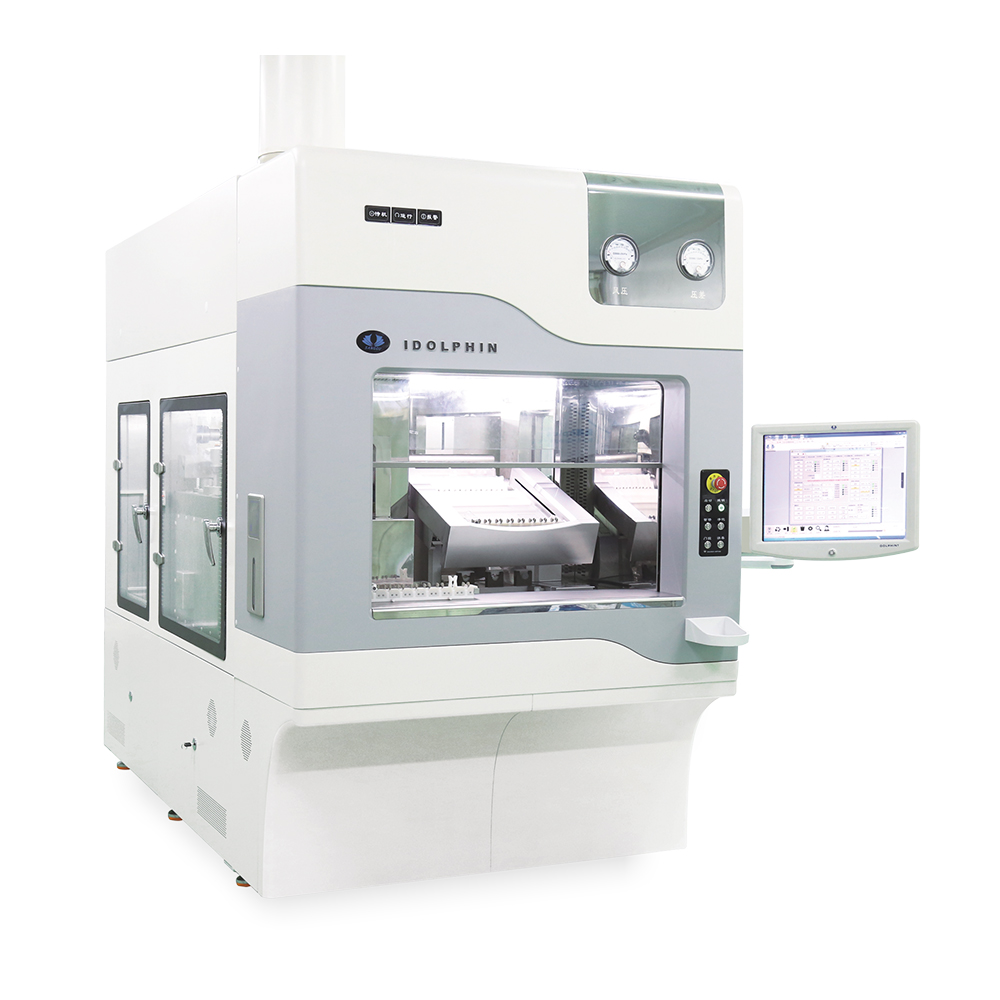
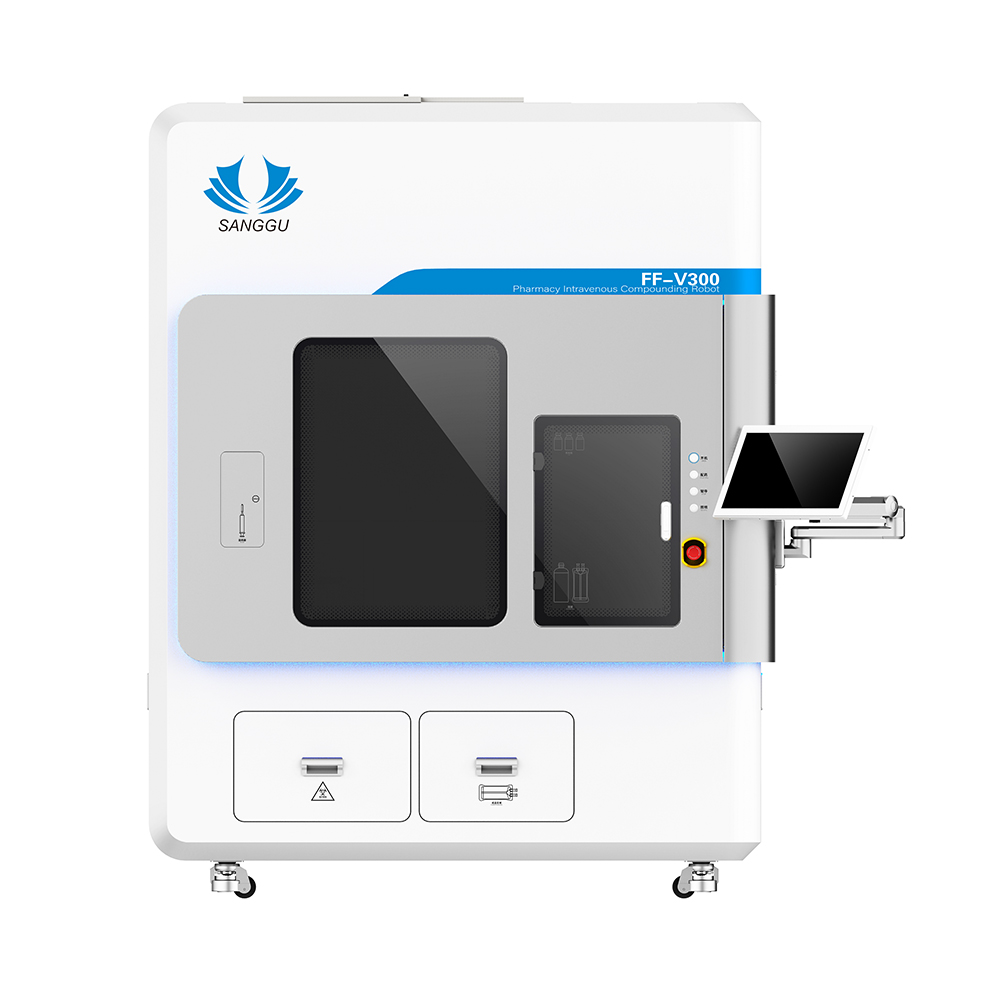
From the perspective of medical rescue, White can perceive users' vital signs, health data, and emotions through devices such as cameras, and then take measures for healthcare. This shows that with the rapid development of artificial intelligence, replacing medical personnel with robots is no longer a myth. Watson robots, da Vinci robots, robot nurses, intelligent logistics robots, drug compounding robots... have already been put into work in major hospitals around the world.
Many people actually do not have a precise understanding of medical robots, so what are medical robots? In a broad sense, medical robots refer to robots applied in the medical field, which is a broad concept, including robot products such as surgical robots, rehabilitation robots, guidance robots, transport robots, escort robots, and exoskeleton robots.
In recent years, with the breakthrough and application of new-generation information and communication technologies such as artificial intelligence, a wave of technological transformation has swept through the medical field. Especially during the pandemic, in response to the "no-contact" principle, medical robots demonstrated obvious value. Whether in diagnosis and treatment, surgery, or in patient delivery and patrol diagnosis, medical robots have done their jobs well and gained recognition from medical staff and patients. Healthcare is closely related to people's daily lives and health and well-being. With the continuous upgrading of robot technology and the gradual maturity of the medical robot industry, the development of medical technology has always been highly valued.
For doctors, the application of intelligent products such as medical robots can help them carry out some preliminary diagnosis and treatment work, improve work efficiency and quality, and to a certain extent alleviate the shortage of medical resources. For patients, the widespread use of medical robots can facilitate their medical visits and is expected to improve the speed and effectiveness of diagnosis and treatment.
As the trend of population aging becomes more and more prominent, the market demand for medical robots will continue to grow. According to data from the National Bureau of Statistics, by 2050, China's elderly population is expected to reach 500 million. Therefore, rehabilitation robots, surgical robots, escort robots, exoskeleton robots, and others will be more widely applied. According to statistics, the global scale of medical robots will exceed 20 billion USD in 2021, and by 2025, the market size of medical robots in China will reach more than 10 billion yuan.
Since the concept of intelligent healthcare was accelerated and implemented, the application effect of medical robots in China has been good and continues to penetrate. In 2014, China introduced surgical robots, mainly in Grade 3A hospitals in some central cities. Overall, the application of medical robots in China's medical field is still in the introduction stage. Both the robots' own technology and the capabilities of medical personnel require a process of cultivation. From the perspective of application effects, the large-scale use of medical robots will be a trend in the medical field in the future.