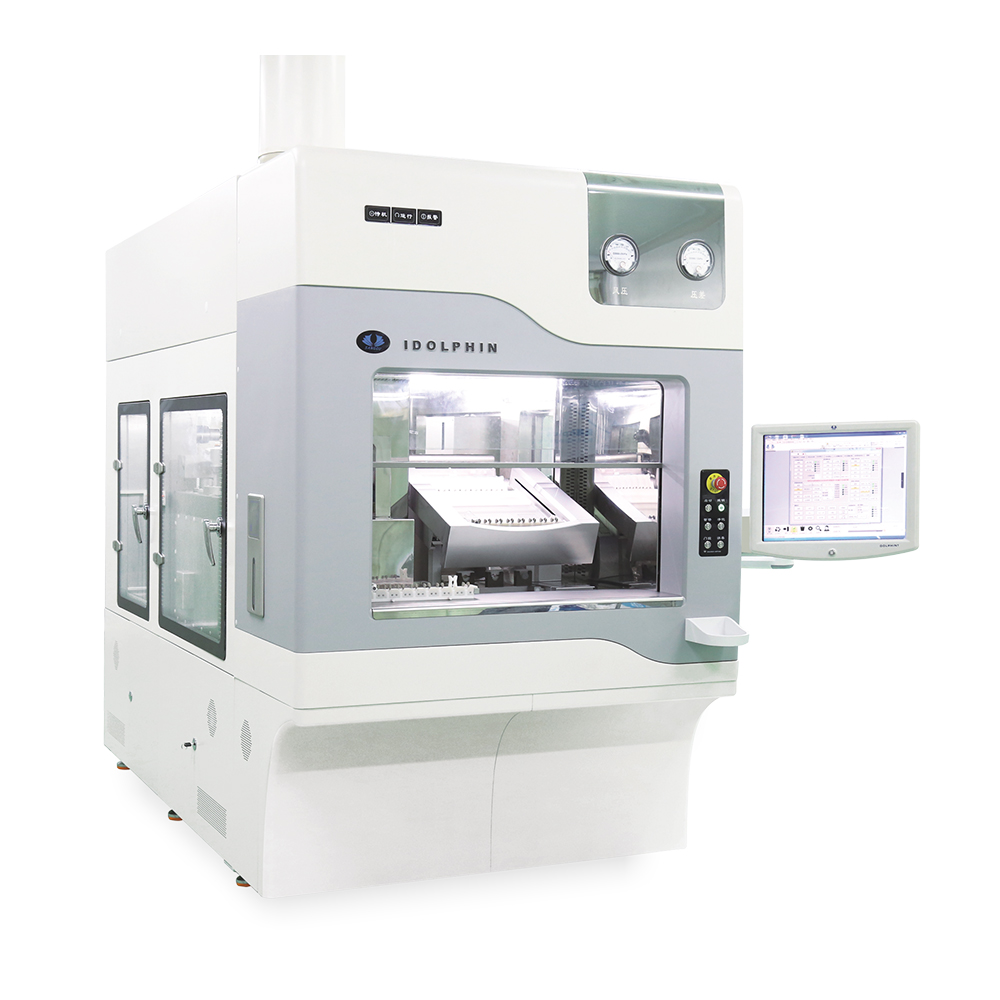
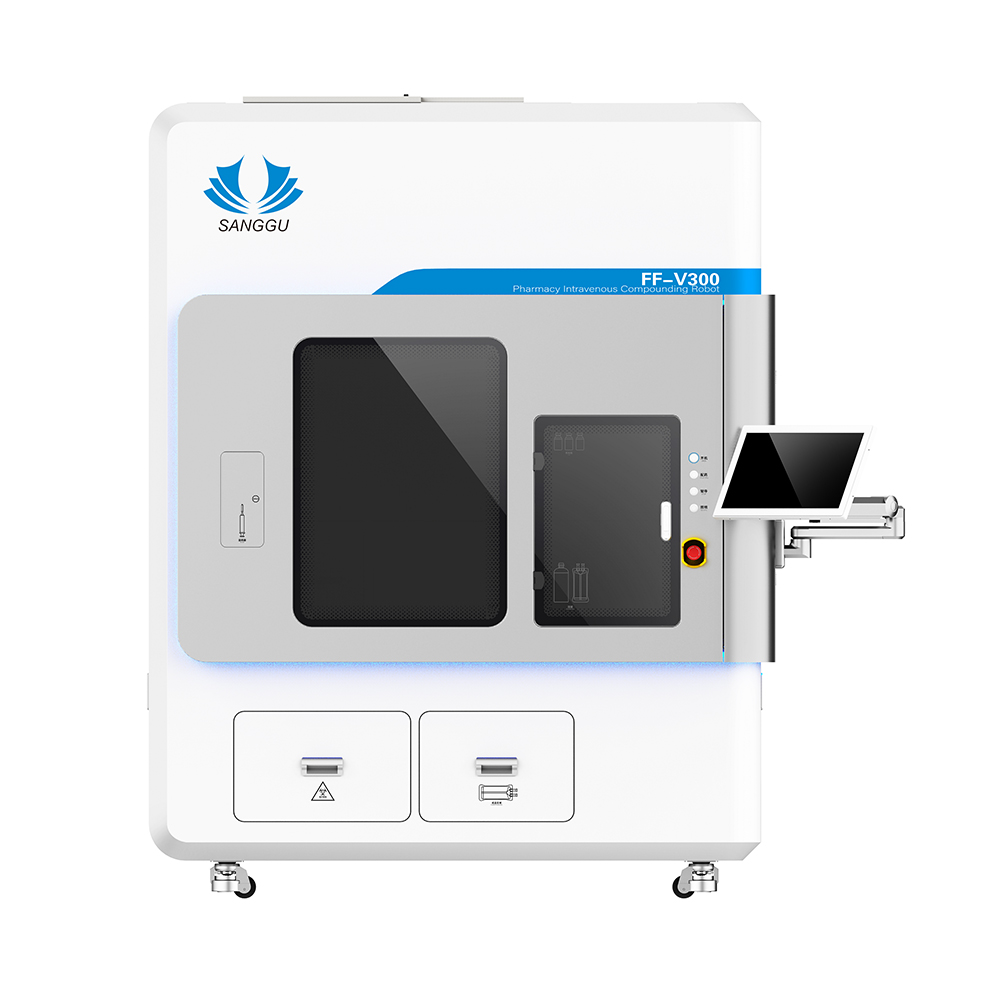

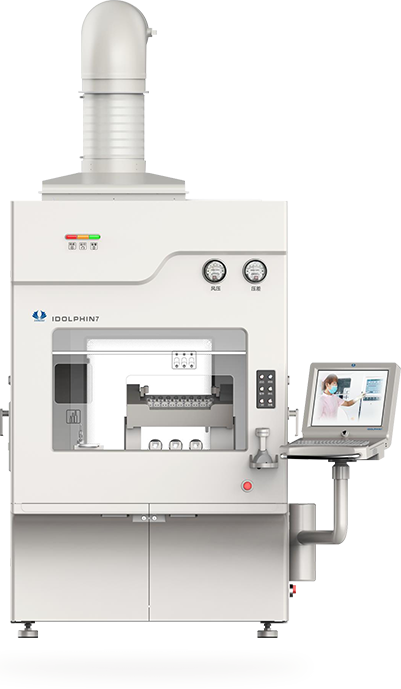
The 2020 Shenzhen International Intelligent Manufacturing Industry Achievement Trade Fair officially opened on October 12. Shenzhen Sanggu Medical Robot Co., Ltd. (hereinafter referred to as "Sanggu Medical") appeared at the trade fair with its latest R&D product, the IDOLPHIN7 intelligent intravenous drug compounding robot. As a "Council Member Unit" of the Shenzhen Robot Industry Technology Innovation Alliance, Sanggu Medical is a high-tech enterprise dedicated to the integration of R&D, production, and sales of intelligent intravenous drug compounding robots. The IDOLPHIN intelligent intravenous drug compounding robot is an intelligent drug compounding robot for hazardous drug compounding that Sanggu Medical launched after ten years of R&D and testing, and the product has now been updated to its seventh generation.
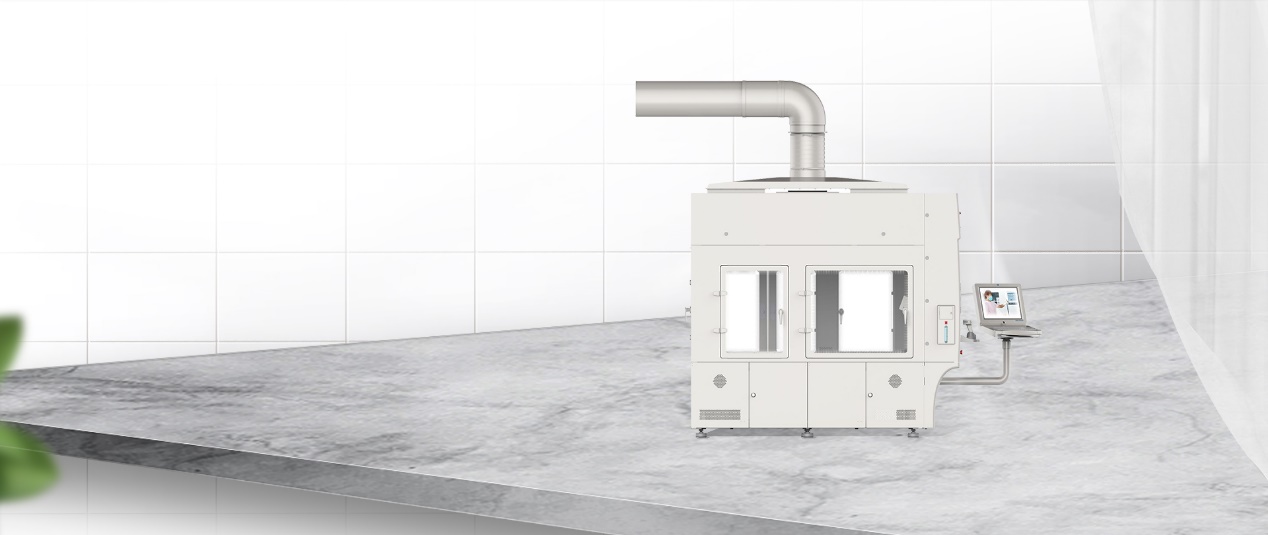
According to Zhang Jianzhong, Chairman of Sanggu Medical, the vast majority of intravenous infusion drugs in hospitals rely on manual compounding by medical staff, which is highly likely to cause human errors and drug contamination, and also harms the health of compounding nurses due to exposure to chemotherapy, radiotherapy, and antibiotic drugs. The emergence of intravenous drug compounding robots has realized automated intravenous drug compounding, and they can adapt to many requirements in domestic clinical medication, such as a wide variety of drugs, extensive dosage forms, and complex and diverse packaging. "Compared with the sixth-generation robot, the seventh-generation robot has greatly improved precision and intelligence, possesses stronger learning capabilities, and can better adapt to the hospital environment. Currently, the manufacturers and types of intravenous drugs used in domestic hospitals have not yet achieved standardization, and intelligent drug compounding robots can meet various needs throughout the entire hospital drug compounding process," Zhang Jianzhong stated.
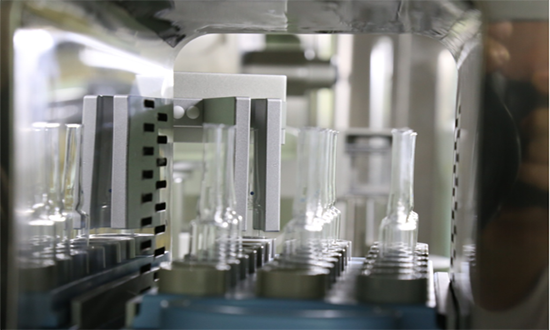
It is reported that the IDOLPHIN7 intelligent intravenous drug compounding robot can meet the clinical compounding needs for large-dose prescriptions. The total number of drug vials loaded into the chamber in a single batch reaches 85, including 64 vials, 21 ampoules, 6 bags of base solution, and 12 drug dissolvers, all of which can be compounded in one batch. The number of drugs loaded in a single batch is currently the highest in the world, and configuring the same number of drugs can reduce the number of loading times and increase compounding speed. In terms of technical features, the robot adopts technologies such as sensor recognition, visual recognition + volume algorithms, and artificial intelligence algorithms + multi-arm collaborative interactive compounding to ensure precision. During the drug compounding process, the robot has fault detection and error information feedback functions for all key steps. In addition, the robot has deep learning capabilities for the compounding methods of new drugs subsequently launched on the market and can directly interface with hospital systems.
The "Opinions on Promoting the Development of 'Internet + Healthcare'" issued by the General Office of the State Council in April 2018 clearly proposed to promote "Internet +" artificial intelligence application services, comply with the innovation and development trend of the industrial internet, improve the digital and intelligent manufacturing level of medical and health equipment, and promote industrial upgrading. While innovating and developing medical robots, Sanggu Medical promotes the application of this high-tech in the healthcare industry, enabling it to exert greater social efficacy in aspects such as the environment, medical care, and occupational protection for doctors and nurses. "We are full of confidence in the market prospects of intelligent drug compounding robots. Currently, the company has reached cooperation with more than 20 hospitals in Guangdong, Chongqing, and other places, with more than 30 robots put into use, and a total project investment of more than 100 million yuan."
Zhang Jianzhong stated that affected by the COVID-19 pandemic, the upstream production supply chain of drug compounding robots has been restricted, but the pandemic has increased medical institutions' attention to drug compounding robots, bringing a certain positive effect on both the market and the development of the medical industry. He hopes to increase publicity for new products through exhibitions, so that more enterprises can understand the company's products and the medical robot industry, and improve the intelligent manufacturing level of China's medical and health equipment.